

are used as a plasticiser used to make a material like PVC softer and more flexible. But they are also used in a wide range of other products. They are small molecules that can dissolve into liquids that come into contact with them. they are endocrine-disrupting chemicals. Phthalate plasticizers are colorless liquids like vegetable oil with a faint odor, and they are insoluble in water. They are however, miscible in mineral oil, hexane, and most organic solvents. This makes them ...
Tag Archives: 01 leaching
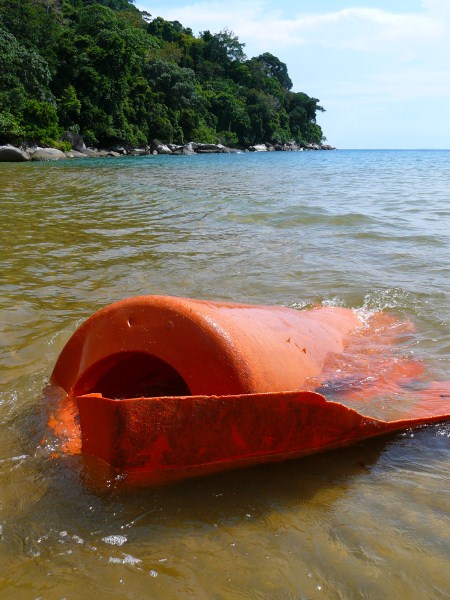
Antimony
Is a persistent, bioaccumulative and toxic chemical - ie one that lasts a long time, accumulates in the food chain and is, well, toxic. Read more here… Humans absorb antimony from the air, drinking water and food - but also by skin contact with soil and contaminated substances. Exposure to “relatively high concentrations of antimony (9 mg/m3 of air)” over long periods of time ( doesn’t say how long is long) can cause irritation of the eyes, ...

Antimony in fabrics
Yet more reasons to reduce your plastic use …. quoted highlights from an extremely interesting article from the never dull O Ecotextiles PLEASE NOTE the quotes are the points that struck me, I strongly reccomend you read the whole article to place the quotes in context and access the citations. “65% of the world’s production of fibers are synthetic, and 35% are natural fibers. (1) Fully 70% of those synthetic fibers are polyester. There are many different types of ...
What’s in a PET bottle?
I am lucky enough to live in a country that supplies clean drinkable tap water so obviously I don’t need to buy bottled water there. However we spend a lot of time in countries where drinking the tap water is not recommended. Bottled water is seen as the only way to go. We disagree. Bonkers? Maybe, but have you considered all the issues – lets start with the bottle. Most of the plastic bottles water is sold in are made from Plastic #1 Polyethylene terephthalate (PET). PET is ...
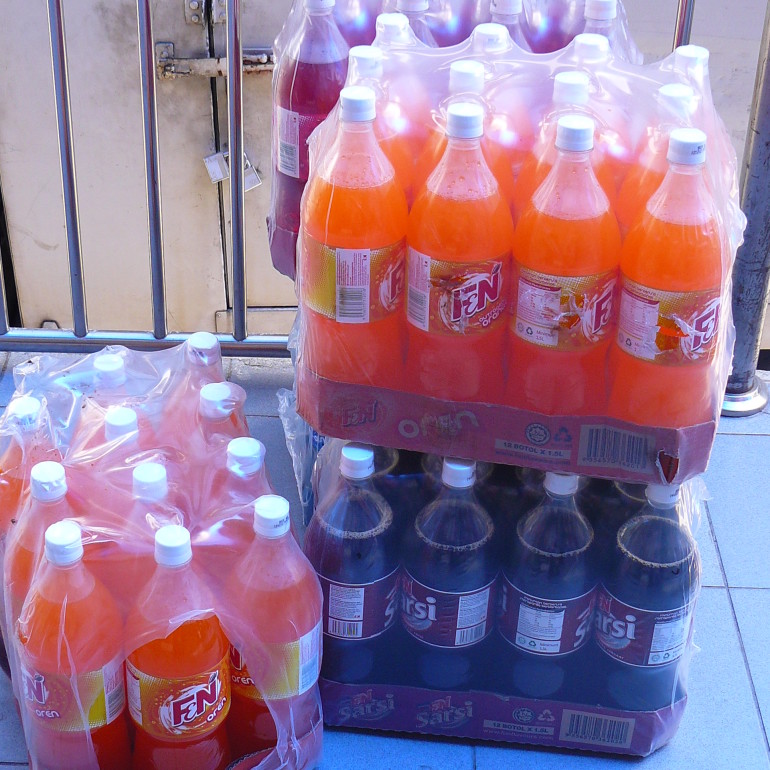
not just BPA
“Many consumers already look for commercial products that do not contain Bisphenol A (BPA), an estrogenically active compound that some manufacturers use for creating plastics and which leaches out of products over time (estrogenically active compounds are suspected to lead to birth defects, cancers and other health problems). But BPA is only part of the story. For their study, the research team tested more than 500 BPA-free consumer products for other estrogenically active ...
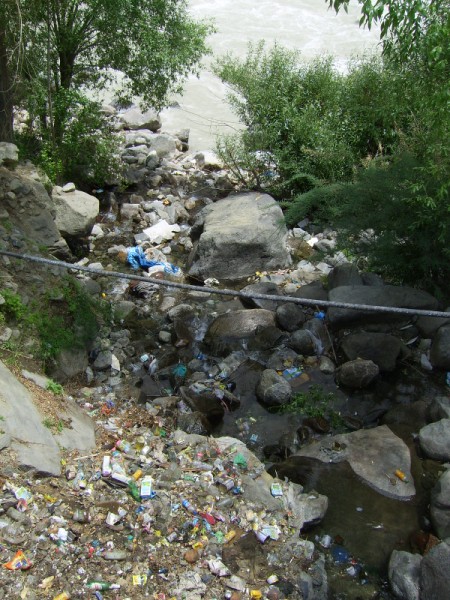
Yummy yummy hormone like chemicals
leaching into your food……… The researchers bought more than 450 plastic items from stores including Walmart and Whole Foods. They chose products designed to come in contact with food — things like baby bottles, deli packaging and flexible bags, says George Bittner, one of the study’s authors and a professor of biology at the University of Texas, Austin. Then CertiChem, a testing company founded by Bittner, chopped up pieces of each product and soaked them in ...
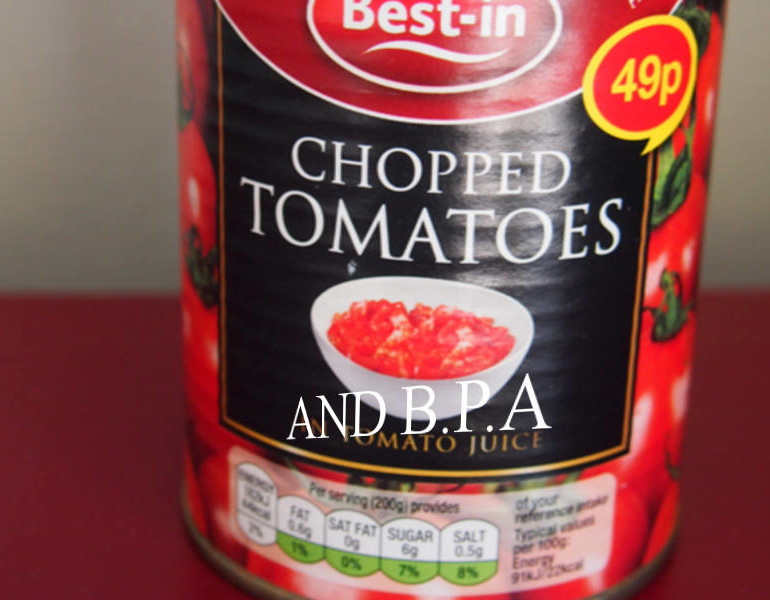
Why does my tin can have a plastic liner and is it bad for me?
Metal food and beverage cans have a thin coating on the interior surface, which is essential to prevent corrosion of the can and contamination of food and beverages with dissolved metals (UK FSA, 2002). Cans Aluminium drinks cans have a polymer plastic lining. It’s there to stop acids in the beverage from corroding the metal which is not good for the can or the flavor of the contents.,If you don’t believe me, you can try this experiment, as done by Steve Spangler, to ...
BPA
Bisphenol A or BPA is it is known to its chums is used in some thermal paper products such as till receipts. the epoxy plastic liners found in many cans and tins, polycarbonate plastics used to make hard plastic for CDs, cell phones, car parts, medical devices, safety goggles Plastic microwave oven ware, eating utensils and bottles (including baby bottles). Plastics labelled with the number “7” identification code. HOWEVER not all plastics labelled with the number “7” contain BPA. ...
plastic chemicals leach into sea water
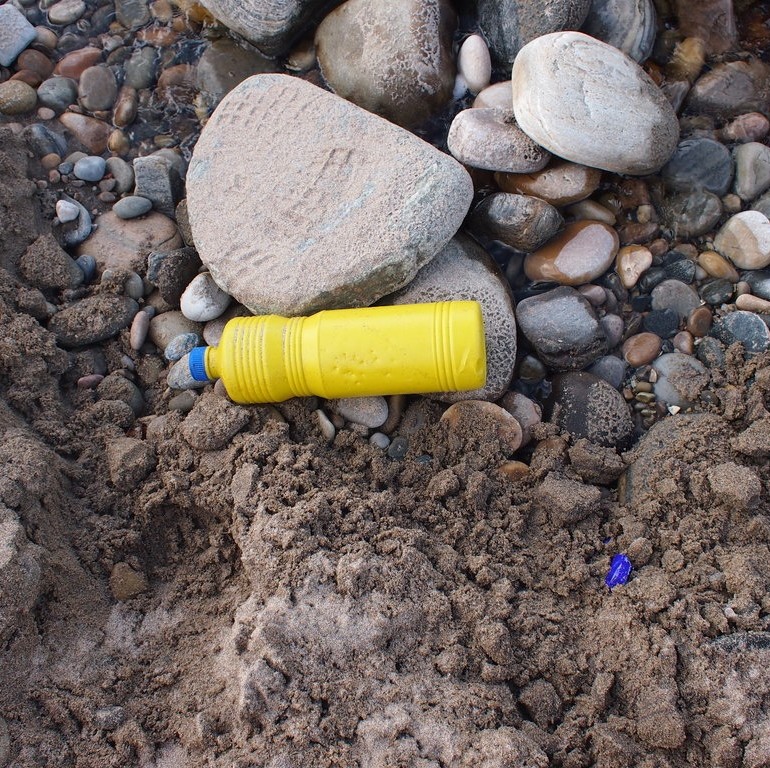
Oh it just gets better - sea bathing isnt going to be good for you for much longer Great photo originally uploaded by Mink
Antimony in the bottle, in the contents
Food Addit Contam Part A Chem Anal Control Expo Risk Assess. 2011 Jan;28(1):115-26. doi: 10.1080/19440049.2010.530296 Migration of antimony from PET bottles into beverages: determination of the activation energy of diffusion and migration modelling compared with literature data. It was concluded that antimony levels in beverages due to migration from PET bottles manufactured according to the state of the art can never reach or exceed the European-specific migration limit of 40 ...
The woman who started the BPA scare….
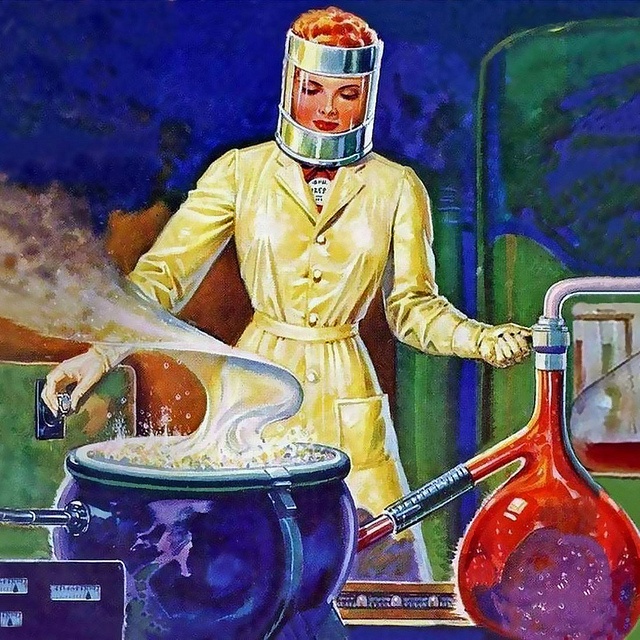
In 1998, Dr. Patricia Hunt of Case Western University in Ohio discovered that damaged or worn or warm plastics made from polycarbonate resin can leach biphenyl. She is still studying the subject. You can read about her here….
The plastic in you
Copied from Mindfully When you eat or drink things stored in plastic, wear plastic, sit on plastic, taste it, smell it, and so on, plastic is incorporated into you. There is a bi-directional communication between plastic and things that contact it, meaning that plastic gets into the food, and food gets into the plastic, as well as you. So, when you eat the things that plastic contacts, quite literally, it becomes you. In other words, you are what you eat. . . drink. . . and breathe. ...


