L is for …

Liverpool
Lincoln
London

Loose Foods?

Anyone who lives in the U.K. knows how hard it is to buy staple food like rice, pasta or cocoa loose and unpackaged. Do you know how long it took me to track down some plastic free cocoa? But I did.

To save you the stress of cocoa free nights, I am putting, together a list of stores that sell loose products (of the type that normally come packaged), that allow you to use your own (plastic free), packaging to take it home in.
Just to reiterate… these shops do provide bags – plastic ones. You will need to take your own plastic-free /reusable bags & packaging. Find out where to get them, here.

Liverpool

Many thanks to Vicky for this….”I have been trying to reduce my plastic use, and struggling to find places local to where I live, on the Wirral. I have managed to find a weigh & save shop in Wallasey, it goes by the name Cake Creations, 216 Liscard Rd, Wallasey CH44 5TN
It would be great if you could list this on your site as I really struggled to find it. The lady is lovely and weighs my own jars first, notes the weight then lets me fill them and weighs again. They have a range of cereals, lentils, nuts, dried fruit, sugars, spices, there really is quite a lot. “
This is a “weigh & save shop” - you can read more about them here.

Lincoln

Gaia Wholefoods in Lincoln
Central Market
Lincoln, Lincolnshire

07891 370197
Nicola, the proprietor sells whole food that she bags up but is willing to weigh out into your own containers if you give her enough notice.
Thanks to Not Quite A Vegan for that

London

http://plasticisrubbish.com/2015/01/05/london-junk-free-january/

More

You can find out how to shop plastic free, here
Other loose food outlets here.
More plastic free products over at the A to Z

Help Me

Please add any shops you know of in the comments below and I will incorporate them into the post.
Links to reviews and blogs particularly welcome. Don’t have a blog? Love guest posts…

Essential Oils

Essential oils have gone from being an obscure aspect of botany to an all round marketing ‘good thing’. Almost every product you buy from washing powder to shampoo trumpets that they contain essential oils. So much better, so much greener. As such they have been embraced by the environmental movement as the fragrance for your home made products, a staple in your medicine chest and the relaxant in your bath.

I have been using them for years thinkin that they are a so eco friendly. But are they really? And are they even oils?

What Are Essential Oils?

They are not actually oils because they do not contain fatty acids.
They are in fact terpenes
Terpenes organic compounds produced by plants (and occasionally insects).
Terpenes are made up of isoprene units, each consisting of five carbon atoms attached to eight hydrogen atoms (C5H8)
They are often strong-smelling.
So essential oils are the strong smelling terepenes found in plants and insects.

Terpenes

Terepenes (along with phenolics nitrogen-containing compounds ) are called secondary metabolites.
Secondary metabolites are chemicals produced by plants for which no role has yet been found in growth, photosynthesis, reproduction, or other “primary” functions. These chemicals are extremely diverse; many thousands have been identified in several major classes. Each plant family, genus, and species produces a characteristic mix of these chemicals, and they can sometimes be used as taxonomic characters in classifying plants. Humans use some of these compounds as medicines, flavorings, or recreational drugs.

Just so you know - search for terepenes and you get a lot of information about marijuana

They are often characteristic of particular species, are sometimes only produced under particular environmental conditions and for different reasons. The lemon tree for examples produces a pungent oil to repel insects while the rose creates pungent oil to attract them.

N.B. Fragrance oil and essential oil are NOT the same thing. Fragrance” or “fragrance oil” or “perfume” often refers to synthetic scents.

Medical Qualities

Some essential oils appear to have antibacterial and antifungal properties. Others may help speed up healing. However while many claims are made about the potency of essentail oils there is not enough scientific evidence to back them up. Generally it seems to be accepted that they do some limited good though should not be relied on to cure any serious complaints or used to swab down an operating theatre.

While they might not be hugely effective they dont do much harm either. Secondary metabolites are broken down relatively easily so are unlikely to accumulate in large quantities in the environment.

Growing the Oil

Though figures vary you can safely say it takes a lot of plants to produce a small amount of oil..

For one pound of essential oil you will need
50-60 pounds of eucalyptus
200 -250 lbs of lavender Sources include Bulgaria, England, France, USSR, Yugoslavia, Australia, USA, Canada, South Africa, Tanzania, Italy and Spain2 2,000 lbs of cypress
5,000 to 10,000 pounds of rose blossoms to produce one pound of essential oil. Primary cultivation sites for one company include: France, Tasmania, Spain, Italy, England, and China.

Extracting the Oil

Terpenes are usually extracted from plants by steam distillation or chemical extraction.

Environmental Concerns

No matter how they are grown essential oils take up a lot of agricultural land
Growing single species for harvest results in a monoculture style of farming.
Plus all the other demands of farming, - water, fuel, fertilisers organic or not.
It is a lot of input for a very small harvest of what is basically a luxury product.
Add to that the fuel needed to extract the oils “If steam distillation is used temperatures above two hundred degrees applied anywhere from 2-24 hours to extract various oils. ”
If chemical solvents are used which are more effective and so require less plant material, but in turn pose issues of toxicity for people and the environment.
Some oils are harvested from the wild from threatened species.
Cropwatch, a non-profit that keeps tabs on the natural aromatics industry, maintains a list of wild species threatened including rosewood, sandalwood, amyris, thyme, cedarwood, jatamansi, gentian, wormwood and cinnamon,

Should You Use Them…

Personally all of which makes me wary of using essentail oils. I do love the smell but I don’t like the idea that so many resources go into making one tiny bottle of luxury scent.
If you are going to use essentail oils please use them sparingly and buy from a company that is clear about how they grow and harvest their oils.

Take a look at Pravera or Yorkshire Lavender

How To Use Them…

Read more about the oils we use and what for, HERE.

More

See a full range of homemade #plasticfree personal care products here
And find out how to make lots more stuff HERE
Find all plastic free personal care products here…

Ingredients

An introduction to some of the stuff you need to make the above

2017 May

Here we go gathering nuts in May talking of which did you know they did loose nuts in Lidles? Of course they offer you a plastic bag to put them in but if you take your own cotton produce bags you can get your nuts plastic free. Which brings us to this months fantastic give away.

Giving Away

U.K. Made cotton produce bags - win a set for free…. Many shops and supermarkets still sell some produce loose. I am talking unpackaged onions, bread rolls and even dried fruit, rice and nuts if you know where to look. (Try here). But if you want them plastic free you have to take your own packaging.
Produce bags are reusable bags that are, (as the name suggests), for your loose produce. Until now I have had to buy my produce bags from abroad so I was delighted when I discovered DoYourBit, a U.K. Based company who make organic cotton reusable bags from fabric sourced from a fair traded local company. Yay!
To celebrate Plastic Is Rubbish has teamed up withDo Your Bit and in May will be offering you the opportunity to win a set of 3 drawstring produce bags.
Sorry this offer is only open to people living in the U.K. Enter by clicking the link and following the instructions to either visit the Do Your Bit Facebook page, comment here on the blog or tweet. OR all three. You can also tweet once a day, everyday for a better chance of winning. Good luck. By June you too can be shopping plastic free. Read more and enter here

a Rafflecopter giveaway

Or Buy Your Own

But if you can’t wait that long or don’t feel lucky, you can still enjoy the frisson of plastic free shopping by buying bags right now from the Do Your Bit shop

Read more about Do Your Bit in the Plastic Free U.K. Directory

Read about produce bags and how to use them here And the plastic free shopping kit here You can find a a list of refill/loose food shops here.

Yoghurt

We make our own yoghurt. It is easy enough and theoretically you should be able to use your own home made live yoghurt to make more live yoghurt. However we find that after a while our home made live yoghurt seems to loose its strength and we cannot make more using this batch. Soevery few weeks we need to buy a new container of yogurt for a fresh culture. Just found out you can freeze your yoghurt starter culture. And buy starter cultures on line. https://www.amazon.com/gp/aw/s/ref=is_s_ss_i_0_8?k=yogurt+culture&sprefix=yogurt+c

Plastic Pollution

Saw and photographed some dreadful instances of #plasticpollution in India. You can see all our dirty pictures here on our Planet Trash FB page. Its why we travel plasticfree. You can see our plastic free backpack, find out where we are and link to other travel related posts here

Packer Tracker

Off to Malaysia on our way to Japan. Is the tap water safe to drink in Malaysia. Or Japan come to that? I can find out using this super cool website ” can I drink the water.” I pick the country you want and read the result. Japan? All I need to take is my refillable bottle. Malaysia? No. But it does have a few water refill machines that are cheap and easy to use. You can read about them here Otherwise it’s back to tap water made safe by a steripen. You can find that and other plastic free travel aids here. Sign Up There is a Canadian petite to ban non compostable Produce Sticker Labels WHEREAS composting is available and encouraged in most communities and many backyards in Canada; AND WHEREAS the use of plastic non-compostable identification stickers contaminates the finished compost in commercial and private compost facilities; The petition is to change both domestic and import regulations related to food labeling to require compostable stickers or vegetable based ink/food safe stamps on all fruits and vegetables sold in Canada. Interesting. You can sign it here. Do it quick it is being delivered in mMay https://www.change.org/p/lmlga-may-2017-attendees-stop-non-compostable-labels-on-food? More There are now so many plastic free petitions I am now listing them on a separate page. as you already have your pen out, head on over to the petitions page. Don’t be silly. I know nobody uses pens, or paper petitions come to that – but if you ever do want to write something try these refillable fountain pens… Latest Campaigns Coming up….

Product Of The Month

Not plastic free but recycled and recyclable. For those time when you need to use Lycra, and we see swimwear as one of those times, let’s make the synthetic we use as sustainable as possible. This is a nice project…Davy Jones have just launched a ranges of swimwear made from ” 100% regenerated nylon yarn from waste including spent and ghost fishing nets. And are designed to last longer, fighting the trend of throwaway fashion and creating something that can keep up with you in all conditions. WE are looking to build a closed-loop resource system within the brand. While OUR SUITS ARE BUILT TO LAST, when THEY DO eventually reach the end of THEIR life, we want you to be able to return them to us and we will recycle or regenerate the resource content. The target will be to achieve 60% closed loop recycling by 2020.” And they are made in the U.K. Visit the website here Find other ethical swimwear here

post

2017 April

News

The great May Give Away.

Plastic Is Rubbish has teamed up withDo Your Bit and in May will be offering you the opportunity to win a set of 3 drawstring produce bags 34x28cm (with olive green cord).
Read more about this in the Planning For May below and more about Do Your Bit in the Plastic Free U.K. Directory

Back on the road
off to India so busy packing up my plastic free back pack. I will be taking a mini iPad with me so be prepared for rather less lovely looking posts as I struggle with tiny keys. And of course the dodgy links and poor images.

We are currently in India where the tap water can be challenging. So really glad to see water refill machines offering triple filtered sterilised water appearing at train and bus stations. More information on these and other refill points in India can be found here
Otherwise it’s back to tap water made safe by a steripen. You can find that and other plastic free travel aids here.
And you can see our plastic free backpack, find out where we are and link to other travel related posts
here

Campaign For A Plastic Free Aisle
But first…. Let me take a selfie… Organised by www.aplasticplanet.com.

A Plastic Planet campaign are collecting thousands of films of ordinary people demanding a Plastic Free Aisle in supermarkets. Why? They want to meet with the CEO of a top supermarket and need to prove consumer demand.

Sounds like a good idea? Wouldn’t it be great to buy plastic free food using your own cotton produce bags? Then here’s what you do. Go to the events page and follow the instructions.

They and the planet will thank you.

Plastic Free…This Month

Plastic Free Lent
Will be coming to an end (Thursday, April 13). Well done everyone who took part!
Read more via their great FB page.
Hooray for them.

Easter


Easter Sunday will fall on April 16th – and you might like to know that Montezuma’s do an eco egg. The “packaging is plastic free and eco friendly.”

Find lots more good stuff like these refillable, reusable eggs in our guide to a #plasticfree Easter.

Sign Up

There are now so many plastic free petitions I am now listing them on a separate page. So get your pens out and head on over to the petitions page.
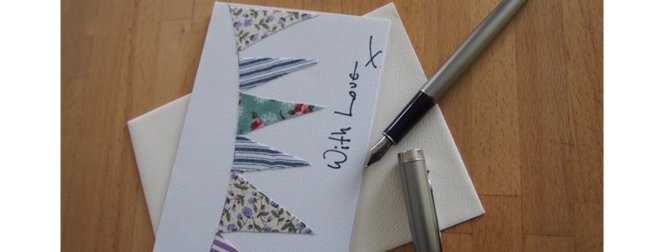
Don’t be silly. I know nobody uses pens, or paper petitions come to that – but if you ever do want to write something try these refillable fountain pens…

Latest Campaigns
And I’ll just mention this latest campaign.

Against Microfibres
The people behind the story of stuff are now tackling this insidious form of pollution.

A story, a problem and a solution: The Story of Microfibers. This new 2-minute movie explores the impact of synthetic clothing (and the rapid growth of “fast fashion”) on our waterways oceans…and include a strong call for solutions.

It’s why we wear natural fibres. You can see our #plasticfree wardrobe here.

Bloggers

Talking of Plastic Free Lent we have a new blogger in Wales who has been doing just that. You can read about her experiences here.

Product Of The Month

Is of course my steripen that allows me to sterilise water and cut out plastic bottles when travelling.

Getting Ready For May

The great May Give Away

A set of U.K. Made Produce Bags

Many shops and supermarkets still sell some produce loose. I am talking unpackaged onions, bread rolls and even dried fruit, rice and nuts if you know where to look. (Try here).
But if you want them plastic free you have to take your own packaging. Produce bags are reusable bags that are, (as the name suggests), for your loose produce.
There are two kinds of bags available - cotton and polyester mesh. I prefer the cotton but until now I have had to buy them from Spain and before that, America! Hardly local,
So I was delighted when I discovered DoYourBit, a U.K. Based company who make organic cotton reusable bags from fabric sourced from a fair traded local company.
Yay!

To celebrate Plastic Is Rubbish has teamed up withDo Your Bit and in May will be offering you the opportunity to win a set of 3 drawstring produce bags 34x28cm (with olive green cord).

But if you can’t wait that long or don’t feel lucky, you can still enjoy the frisson of plastic free shopping by buying bags right now from the Do Your Bit shop
Read more about Do Your Bit in the Plastic Free U.K. Directory
Read about produce bags and how to use them here
And the plastic free shopping kit here
You can find a a list of refill/loose food shops here

N.B.
Bulk buy or refill stores are places you can buy all types of food stuff loose.You take as much as you want/need from a larger container and you can usually use your own packaging.These are common in America and Australia, far less so in the U.K. But we do have some.
I have put together a list of stores that sell loose products, listed alphabetically by the location / place name.

The Plastic Free 2017 Calender

Check out dates for your calendar, petitions to sign the latest Events

Worm Bins

Composting is a great way to dispose of kitchen waste and reduce your carbon footprint, but what if you don’t have room for a compost bin? Worm bins are often touted as the answer. This is as it sounds, a bin full of worms - worms that transform food scraps into compost. It can, so the adverts say, be kept in the kitchen. I always wanted to try worm composting so I sent off for a worm bin from the internet. It consisted of four stackable plastic boxes (the type found in stationers), a bag of worms and some food. It looked basic but it was considerably cheaper than the others.

I decided to keep mine in the garage. I stacked the boxes, tipped the worms in and left the lights on all night as per instructions. All went well till the night the lights were turned off. The stackable boxes did not form a sealed unit and there were numerous gaps through which the worms could escape. While it was bright outside the light sensitive worms stayed put, as soon as it got dark they left their bin and went exploring the garage. Next morning saw me picking up worms with the barbeque tongs while VB complained loudly about the desecration of his drill bits. He threatened to sacrifice the worms on the bird table if a solution wasn’t found.

So I fashioned a worm proof bin from the compost caddy. I installed a drainage tap to drain off the worm tea (a juice created as the food in the bin rots down). I covered the base with a layer of gravel so the worms didn’t drown in the tea and the compost didn’t block the tap outlet. It was rather like the one built here, the first bin, Then I carefully decanted the worms and wished them well in their new home.

Mindful of the bird table threats I moved the into the cellar.

I mollycoddled those worms. I cut the food scraps up into worm size pieces and gave them ripped up newspaper and cardboard - apparently they delight in it. Nothing. Instead of piles of compost all I had was a bin full of festering food. The arrival of the fruit flies was the last straw. Fed up with the ungrateful liggers I capped the bin with soil and cut off food supplies.

A couple of weeks later I went down to get a hammer and found the bin standing in a lake of worm tea. Yay!

This fluid (it is claimed on many site), is a superior plant feed and can be used to cure black spot on roses. There it was dribbling from my poorly fitted tap. It is a sign that the worm bin is working as it should. Indeed a quick rummage in the bin revealed healthy looking worms the size of anacondas. Worm tea was another reason I wanted a worm bin. Hundreds of sites on the internet claimed that this could be used as a fantastic liquid plant food. Plastic free plant food I thought. Turns out I was wrong.

So worm feeding resumed. By bin does not work fast enough to make a meaningful impact on our kitchen waste but it’s a start. Apparently it will increase with time. I don’t think I have the patience - but then I have a perfectly good compost bin in the garden.

And no wI find that worm tea might not be that good either.

“The watery drainage that seeps out of the bottom of a bin is not compost tea as many sites assert. Leaching through yet undigested food waste, this leachate (as it is known) could contain toxic anaerobic microbes that would be harmful to plants.

Not only will there be unmineralized organic compounds, but there is the potential for contamination of pathogen organisms and coliform bacteria that can come from some of the raw materials (another reason to always pre-compost fresh manure) put into worm bin systems.

The best place for this leachate to go is back in the bin. That way, it gets exposed to the worm’s gut to be innoculated with good microbes and is excreted fully sanitised.” Thanks Sierra Worm Compost!

Still fancy trying it? If you decide to buy a worm bin my advice is to spend the extra. The more expensive bins boast such conveniences as worm proof lids - a definite bonus. There are hundreds of internet companies selling bins. Here’s one chosen at random.

If you want to make a bin, there are good instructions here. I recommend the first option, the bin with the tap, rather than the second, the stackable boxes.

This is a good article on worm composting and how to get worms for free. N.B. the home made bin looks rather like the one I bought, the leaky one.

More

If you want to keep your bin outside you have to protect it from extreme heat and cold. There may be better outdoor options.

Don’t like worms but fancy composting? Read this intro


Burning plastic in the home

Some feel my worrying about plastic in the home is taking it too far? Disposables? Yes, they can see I might have a point. But nylon carpet, foam-filled pillows and polyester drapes…. what could possibly go wrong?

Well good taste aside…. you know how we were talking about hydrocarbons containing a lot of energy? Well all that energy means they burn hot. And that plastic is made from hydrocarbons. You got it. Plastic is a fuel too. So much so that it actually has a higher BTU than coal. Great for waste to energy incinerators not so good for house fires.

For generations, firefighters’ had, “on average, 17 minutes to get anyone inside out of the building before they succumbed to smoke inhalation.” Because of modern fast burning synthetic furnishings that time is down to 4 minutes. Natural fibres and fillings do not burn as fast.

You can find lots more scary stats here plus a spooky burning chair that shows just how quickly you can be overcome.

Please people make sure your smoke alarm is working and maybe pay a bit more for cotton curtains and a wool rug.

Found this very interesting table on fumes released by burning. Hers an example…

Upholstery • Nylon Polybrominated diphenyl ethers Hydrogen chloride Hydrochloric acid Hydrogen cyanide Dioxins Possible carcinogen; poison by ingestion. Highly corrosive irritant to eyes, skin and mucous membranes; mildly toxic by inhalation. Corrosive; mildly toxic by inhalation; when heated to decomposition emits toxic fumes of chlorides. Asphyxiant; deadly human and experimental poison by all routes. Carcinogen; a deadly experimental poison by ingestion, skin contact and intraperitoneal routes. Immobile in contaminated soil and may be retained for years. No Yes Yes Yes Yes

https://denr.sd.gov/des/wm/sw/documents/OpenBurningChemicalList.pdf

And this

Burning a small sample of a synthetic fibre yarn is a handy way of identifying the material. Hold the specimen in a clean flame. While the specimen is in the flame, observe its reaction and the nature of the smoke. Remove the specimen from the flame and observe its reaction and smoke. Then extinguish the flame by blowing. After the specimen has cooled, observe the residue.

https://www.tensiontech.com/tools-guides/burning-characteristics

And this on toxic fibres and fabrics

https://fashionbi.com/newspaper/the-health-risks-of-toxic-fibers-and-fabrics

Plastic Costs A Lot

According to some “the environmental cost, including carbon pollution released during production [of plastic], is staggering. At $40 billion a year, …. it’s more than the annual profits of the plastics industry.”

Acoording to the UNEP Report 2014

It finds that the overall natural capital cost of plastic use in the consumer goods sector each year is US$75 billion - financial impacts resulting from issues such as pollution of the marine environment or air pollution caused by incinerating plastic.

The report says that over 30 per cent of the natural capital costs of plastic are due to greenhouse gas emissions from raw material extraction and processing. However, it notes that marine pollution is the largest downstream cost, and that the figure of US$13 billion is likely a significant underestimate.

Concern is growing over the threat that widespread plastic waste poses to marine life, with conservative estimates of the overall financial damage of plastics to marine ecosystems standing at US$13 billion each year, according to two reports released on the opening day of the first United Nations Environment Assembly.

The Ellen MacArthur Foundation claims, in their report on plastic, that

“Assessing global plastic packaging flows comprehensively for the first time, the report finds that most plastic packaging is used only once; 95% of the value of plastic packaging material, worth $80-120 billion annually, is lost to the economy. Additionally, plastic packaging generates negative externalities, valued conservatively by UNEP at $40 billion.[1] Given projected growth in consumption, in a business-as-usual scenario, by 2050 oceans are expected to contain more plastics than fish (by weight), and the entire plastics industry will consume 20% of total oil production, and 15% of the annual carbon budget.[2]

New economic study shows marine debris costs California residents millions of dollars

Thanks to Fabiano of www.globalgarbage.org for keeping us well informed ….

AUGUST 12, 2014 — Marine debris has many impacts on the ocean, wildlife, and coastal communities. A NOAA Marine Debris Program economic study released today shows that it can also have considerable economic costs to residents who use their local beaches.

The study found that Orange County, California residents lose millions of dollars each year avoiding littered, local beaches in favor of choosing cleaner beaches that are farther away and may cost more to reach. Reducing marine debris even by 25 percent at beaches in and near Orange County could save residents roughly $32 million during three months in the summer.

In order to better understand the economic cost of marine debris on coastal communities, the NOAA Marine Debris Program and Industrial Economics, Inc. (IEc) designed a study that examines how marine debris influences people’s decisions to go to the beach and what it may cost them. We selected Orange County as a study location because beach recreation is an important part of the local culture and residents have a wide variety of beaches from which to choose, some of which are likely to have high levels of marine debris.

http://marinedebris.noaa.gov/sites/default/files/MarineDebrisEconomicStudy.pdf

The World Bank

estimates the yearly global cost of dealing with waste is more than $200 billion and predicts annual waste will exceed 11 million tons per day by 2100 if current trends continue. From the true cost of our waste

Local authorities, industry and coastal communities spend approximately £14 million a year to clean up beach litter in England and Wales alone (Environment Agency, 2004).
Annually the UK and maritime leisure industry is worth up to £11 billion.

Harbour authorities also have to pay to keep navigation channels free of litter - a survey of 42 harbour authorities reported that £26,100 is spent per year in some ports to clear fouled propellers and remove debris from the water

Some estimates put the cost of marine litter to the fishing industry at over £23 million a year (Environment Agency, 2002).

How much energy?

“Our previous work had suggested that bottled water production was an energy-intensive process, but we were surprised to see that the energy equivalent of nearly 17 million barrels of oil are required to produce the PET bottles alone,” Cooley told PhysOrg.com.

Read more at: http://phys.org/news156506896.html#jCp

Act Now

Let’s stop using plastic to make everlasting litter. And rather then wait for governments to act or the clean up bill get even bigger I invite you to join me in a plastic boycott. You can find loads of plastic free alternatives listed here on my blog.


2017 March

In this post you can read about
New Stuff
News & Events
Plastic Free…This Month
Planning Next Month

New

Found a place that sells shea and coco butter in Leeds
And wrote a quick introduction to shea butter here
P-F U.K. Directory
There is a new page U.K. based enterprises that provide plastic free/reduced products and services. These people state plastic/packaging reduction as part of their business ethos.

And a new #plasticfree blogger in Scotland. Read more here…

Talking of businesses we have a sourced #plasticfree toilet roll delivered to your door in a cardboard box. Result.
Plus another reason to visit . A new Refill store has been sourced in Bath. Bulk buy or refill stores are places you can buy food loose.You take as much as you want/need from a larger container and you can usually use your own packaging.

A Biodegradable Cornstarch Toothbrush?
The interchangeable head of Smiti is made of 100% biodegradable PLA. The aluminum alloy handle can be used for years, and at the end of its long life, be recycled.

Learn more by checking out the Smiti campaign page: http://kck.st/2kbnkZN
Find pictures and more information in the Smiti Press Kit:

U.K. Sourced Cotton Produce Bags At last a U.K made produce bag. Thanks to DoYourBit who make the bags right here in the U.k. using material sourced from a fair traded fabric company. Read more right here.

Updates
An update #plasticfree dental care can be found here
Plus a new look personal care page
An up date on oils and creams

News & Events

Plastic Free…This Month

well not exactly #plasticfree but good news all the same. Spring has sprung. The 2017 vernal or spring (or fall) equinox comes on March 20 at 10:29 UTC (March 20 at 5:29 a.m. CDT).
And it marks the beginning of spring - the is here in the Northern Hemisphere.The sun crosses the celestial equator going from south to north and from now on sunrise is earlier, nightfall comes later, the soil is warmer and plants start sprouting.

Mothers Day March
In the UK, Mother’s Day falls on Sunday March 26 this year.
Here are some excellent ideas on what to get the old dear including plastic free sweets and flowers. And if you do go down the gift route, and how to wrap it up - plastic free natch.

Plastic Free Lent
Lent 2017 begins on Wednesday, March 1 and ends on Thursday, April 13
Last year some folk are took part in a plastic free Lent. I would love to tell you more about this project but I don’t know a great deal myself. It is organised by peopel in Bristol (I am pretty sure of that) and has run for a couple of years now. It has a great FB page.
Here’s some blurb “Welcome to the Lent Plastic Challenge. A group for all those who are ready to challenge themselves and take on the pesky single-use plastics that pile up in our modern life.
To support your challenge, each week we will have different theme. So you can start off in the first week with one item and build up gradually”
Hooray for them.

Sign Up

There are now so many plastic free petitions I am now listing them on a separate page. So get your pens out and head on over to the petitions page.
Don’t be silly. I know nobody uses pens, or paper petitions come to that - but if you ever do want to write something try these refillable fountain pens…

Latest Campaigns
But I’ll just mention this latest campaign.
http://news.sky.com/video/supermarkets-urged-to-create-one-plastic-free-aisle-10764981

Product Of The Month

Check out the updated plastic free office… did you know rubbers were plastic? PVC no less. No me neither. You can get plastic free rubbers and other office supplies here…

Planning Next Month

The life #plasticless needs forward planing

Easter
Easter Sunday will fall on April 16th - start looking for foil wrapped eggs now. See our guide to a #plasticfree Easter here.

The Plastic Free 2017 Calender

Events


Cleaning Products - Chemical - Buy or make

For cleaning products I use a combination of bought and what I have in the cupboard in conjunction with a bloody good scrub… i.e. both chemical and manual cleaning.

Chemical Cleaning uses the power of chemicals in a solution to remove soils. Soils in this case refers to stains. If you want to know, you can read how alkaline dissolve fat and why vinegar works here.
If not just be aware that
Organic soils are usually best moved using alkaline cleaners.
Inorganic soils prefer and acid cleaner.


Buy Or Make Chemical Cleaners

Buy plastic free
The easiest way to get plastic free cleaning product is to buy Ecover refill liquids. Yes the original bottle is plastic but you get to reuse it. Mine are still going strong years into the project.
If you can’t get to a refill station, this company sells concentrated liquids through the post. You refill your existing bottles and water down yourself. They come in plastic, but it represents a massive reduction.

Make your own
Or you could consider making your own cleaning products. It easy, can save you money and certainly cuts down on the amount of chemicals and colorings that you find in commercial products. With a small palette of ingredients you can clean just about anything.

When I say make I actually mean use neat or add water. It really is that easy. There are loads of complicated recipes on the internet using a mixture of ingredients. I have tried them but could see no discernable difference. Either other people have very dirty houses or I have very low standards.

Are they as good? Well it depends what you are using already. If you use green cleaners then yes they are and half the price. If you are using Cilit Bang all bets are off. So while they might not work as well as Cilit Bang in extreme grime scenarios, for general cleaning they are fine.

And all of them smell better with none of that weird choking chemical smell or overwhelming perfumes you get with the cheaper commercial products.

I Use
After a lot of experimentation I find I can mange with
Ecover washing up liquid refill or
Bar Soap
used in conjunction with a good scrubber cuts through most dirt. Alkaline
Bicarbonate Of Soda for scouring and deoderizing. It can also be used to wash your hair and clean your teeth. Alkaline
Vinegar dilute and use as a wipe. Also use as a conditioner for hair and a mild disinfectant. Acid

Other people reccomend Washing Soda and Borax. I have tried both of these but find them to make little or no difference. Read more HERE

Use What On What

For your cleaners to be properly effective you need to use them correctly. Though you might intuitively feel that vinegar should cut through grease it doesn’t.
Soils fall into 2 categories, organic and inorganic
Organic soils such as fat, grease, protein like blood, and carbohydrate. I dont know what carbohydrate soil is - any one else? Mold, yeast and bacteria, motor oil, axle grease, cutting oils and other petroleum soils.
Inorganic soils such rust, scale, hard water deposits and minerals such as sand, silt and clay.

They require different cleaning solution.

  • Organic soils are usually best moved using alkaline cleaners.
  • Inorganic soils prefer an acid cleaner.
  • Minerals are often cleaned with general purpose cleaners.

Read more HERE

Scrub

Honestly I find the best way to clean is to use a mildly abrasive range of cloths and scouring pads. You can find links to all our mechanical cleaning aids HERE

How to clean….

Hard plastic such as baths and toilet seats - Soap and a luffa or rough cloth

Tiles and porcelain - Bicarb on a cloth or luffa

Mildly Abrasive Paste - general cleaning
Add enough liquid soap to bicarbonate of soda make a paste

Wipe for windows and greasy surfaces
1/4-1/2 teaspoon liquid detergent/ soap
3 tablespoons vinegar
2 cups water

Shake & Vac
Bicarb sprinkled on, left for a while then hoovered up.

Buy

Ecover washing up liquid refill
Bar Soap
Bicarbonate Of Soda
Vinegar

More

For more Bicarbonatebased cleaning tips try this Website
See a huge range of plastic free cleaning products HERE

Pancakes & Pancake day

To make plastic free pancakes in a plastic free non stick pan …
you will need:
Eggs in a cardboard box. (If you buy them from Queensgate Market Huddersfield you can reuse the box and get a discount.)
Milk in a glass bottle from a milk man. Find one here
Flour in a paper bag
Unpackaged lemons bought in a cotton produce bag
Sugar in a paper bag
Butter in paper

Plastic free frying pan

Make

Make your batter. The BBC cookery website have a great range of recipes and
exciting pancake related information.

Heat the plastic free frying pan
Add a knob of butter
Swirl in the batter
Flip
Serve with lemon juice and sugar

More

Here is some exciting pancake related information.

Check out the plastic free cookbook here

post

U.K. water bottle refill schemes

Bristol Water Refill

"Refill Bristol is a practical campaign to make Bristol a city in which refilling your water bottle becomes a cultural ...
Read More

Selfridges Water Refill

Selfridges are setting out to tackle plastic pollution in the ocean by "removing all single-use plastic water bottles from our ...
Read More

Give Me Tap - water bottle, water refill & water aid

We are a social enterprise committed to improving water accessibility in the UK, Africa and the World through our reusable ...
Read More

Bath, Love Tap Water Refill Scheme

A new water refill scheme based in Bath. The following has been taken from their website... Two local women want to ...
Read More

Water Abroad

We sterilize our own water using a Steripen …. but when a bottle refill service is offered we will use that instead. Find refill places here…

Of course water in many countries the water is actually safe to drink - you can find out where here.

And here are a list of places you can refill your bottle abroad

Water Bottles

Check out which water bottle here

Water Bottle Bans

Links to interesting projects that are tackling the problems of bottled water

post

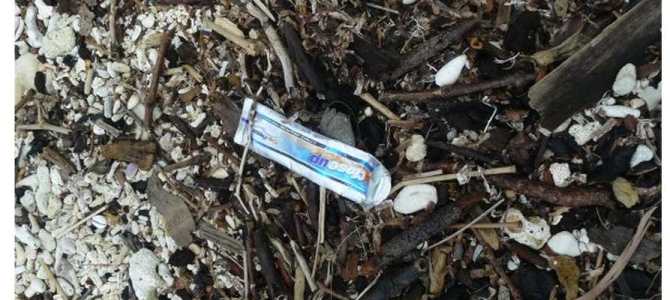
Toothpaste With Added Plastic

What’s in your commercial toothpaste? For starters ther may be plastic micro beads!Did you know that at least 12 Crest toothpastes have been identified as containing microbeads of polyethylene (PE).

Crest 3D White Radiant Mint • Crest Pro-Health For Me • Crest 3D White Arctic Fresh • Crest 3D White Enamel Renewal • Crest 3D White Luxe Glamorous White • Crest Sensitivity Treatment and Protection • Crest Complete Multi-Benefit Whitening Plus Deep Clean • Crest 3D White Luxe Lustrous Shine • Crest Extra White Plus Scope Outlast • Crest SensiRelief Maximum Strength Whitening Plus Scope • Crest Pro-Health Sensitive + Enamel Shield • Crest Pro-Health Clinical Gum Protection • Crest Pro-Health For Life for ages 50+ • Crest Complete Multi-Benefit Extra White+ Crystal Clean Anti-Bac • Crest Be Adventurous Mint Chocolate Trek • Crest Be Dynamic Lime Spearmint Zest • Crest Be Inspired Vanilla Mint Spark • Crest Pro-Health Healthy Fresh • Crest Pro-Health Smooth Mint.
This list may be out of date as companies have agreed to cut microbeads

And Crest are by no means the only company to do this. But you won’t know
as plastic isn’t and was never listed in the ingredients. Just to clarify - that’s even when the pastes did contain plastic beads. That’s a fact I find worrying.

Why are they there? It seems they added for decorative purposes only. However dental hygenists are concerned and I quote Trish Walraven
“I am not saying that polyethylene is causing gum problems. I’d be jumping too soon to that conclusion without scientific proof. But what I am saying definitively is that plastic is in your toothpaste, and that some of it is left behind even after you’re finished brushing and rinsing with it.”
Bits of plastic get stuck in your gums! But I strongly reccomend that you read her excellent article in full and then consider using a different dentifrice.

Companies have agreed to phase out microbeads. At least in countries where there is a pressure to do so but frankly I would take matters into your own hands and search out a plastic free alternative immediately. You can find some options here

What Else Is In Your Tooth Paste?

“Every toothpaste contains the following ingredients: binders, abrasives, sudsers, humectants, flavors (unique additives), sweeteners, fluorides, tooth whiteners, a preservative, and water. Binders thicken toothpastes. They prevent separation of the solid and liquid components, especially during storage. They also affect the speed and volume of foam production, the rate of flavor release and product dispersal, the appearance of the toothpaste ribbon on the toothbrush, and the rinsibility from the toothbrush. Some binders are karaya gum, bentonite, sodium alginate, methylcellulose, carrageenan, and magnesium aluminum silicate.
Abrasives scrub the outside of the teeth to get rid of plaque and loosen particles on teeth. Abrasives also contribute to the degree of opacity of the paste or gel. Abrasives may affect the paste’s consistency, cost, and taste.”
Read more about toothpaste and how it is made here

Break down of the ingredients

Standard (non-organic) toothpaste typically contain a set of ingredients that include:
Abrasives to clean bacterial film and debris from your teeth: Examples: Calcium carbonate, dehydrated silica gels, hydrated aluminum oxides, magnesium carbonate, phosphate salts and silicates. Silica is the whitening ingredient in most whitening toothpastes.
Detergents for cleaning and the foamy lather we expect from toothpaste. Examples: sodium lauryl sulfate, sodium N-Lauryl sarcosinate.
Fluoride – all American Dental Association (ADA)Accepted toothpastes contain fluoride, even organic ones.
Flavor including sweeteners such as saccharine. No ADA-Accepted toothpaste contains sugar.
Treatment additives such as tetrasodium pyrophosphate for tartar control, potassium nitrate or strontium chloride to reduce tooth sensitivity, Stannous fluoride and triclosan for reducing gum inflammation and removing plaque.
Humectants to keep the toothpaste moist. Examples: glycerol, propylene, glycol and sorbitol.
Binders to stabilize the toothpaste formula. Examples: mineral colloids, natural gums, seaweed colloids or synthetic cellulose.
Source

Abrasives are the cleaning and polishing agents in commerical toothpaste.
They account for about a third of the toothpaste by weight.
Most abrasives are chalk or silica based.
They include dicalcium phosphate, sodium metaphosphate, calcium carbonate, silica, zirconium silicate or calcium pyrophosphate.

Abrasives differ in strength.
Abrasives help remove plaque and stains. However they can also,wear away the tooth enamel
The more abrasive the paste the more wearing it is

Relative dentin abrasivity (RDA) is a a way of measuring the effect that the abrasive components of the toothpaste have on a tooth.[7]
The RDA scale was developed by the American Dental Association The higher the abrasive value the greater the wear on the enamal. Toothpaste makers regularly measure their product’s abrasivity. It’s necessary for FDA approval,

BY US law, a dentifrice is required to have a level lower than 250 to be considered safe .

RDA Score
Level
0-70 Low abrasive: safe for cementum, dentin and enamel
70-100 Medium abrasive: safe for enamel, dangerous for cementum and dentin
100-150 High abrasive: dangerous for cementum, dentin and enamel
150-250 Very high abrasive: harmful limit, damaging for teeth
250 and above Not recommended

4 brushing teeth with water
7 baking soda
8 Arm & Hammer Tooth Powder
15 Weleda Salt Toothpaste
30 Elmex Sensitive Plus
35 Arm & Hammer Dental Care
42 Arm & Hammer Advance Whitening / Peroxide
44 Squiggle Enamel Saver
45 Oxyfresh
48 Arm & Hammer Dental Care Sensitive
49 Tom’s of Maine Sensitive
49-52 Arm & Hammer Peroxicare Regular
51 Crest with Scope
53 Rembrandt Original, Closys
57 Tom’s of Maine Children’s
60 Biotene Gel
63 Rembrandt Mint
68 Colgate Regular
70 Colgate Total, Arm & Hammer Advance White Sensitive, Colgate 2-in-1 Fresh Mint, Colgate Total
78 Biotene
79 Sensodyne
80 AIM, Close-Up, Biotene Paste with Fluoride
83 Colgate Sensitive Max Strength, Tooth and Gum Care
87 Nature’s Gate
91 Aquafresh Sensitive
93 Tom’s of Maine Regular
94 Rembrandt Plus
95 Crest Regular
97 Oxyfresh Powder
101 Natural White
103 Mentadent
104 Sensodyne Extra Whitening
106 Colgate Platinum, Arm & Hammer Advance White
107 Crest Sensitivity
110 Colgate Herbal, Amway Glister
113 Aquafresh Whitening
117 Arm & Hammer Advance White Gel, Arm & Hammer Sensation Tartar Control
120 Close-Up with Baking Soda
124 Colgate Whitening
130 Crest Extra Whitening
133 Ultra Brite
144 Crest Multicare Whitening
145 Ultra Brite Advanced Whitening Formula, Colgate Baking Soda Whitening
150 Pepsodent
155 Crest Rejuvenating Effects
165 Colgate Tartar Control
168 Arm & Hammer Dental Care PM Fresh Mint
175 Colgate Luminous
176 Nature’s Gate Paste
160-190 Crest Pro Health Formulas
200 Colgate 2-in-1 Tartar Control / White

While most seem to think an RDA of around 50 is fine these guys take it lower.
“The lower the number, the less enamel/dentin it is likely to be worn away. The higher the number – the more wear on your dentition. The ideal toothpaste would not have a RDA index higher that 7; therefore dentifrices with a low abrasivity index are desirable.”

https://www.lincolndentalcenter.com/relative-dentin-abrasivity-rda

FYI
Lush toothy tabs were graded accordingly, and here are the results.
Oral Pleasure: 31 (Low abrasivity)
Dirty: 43 (Low abrasivity)
Miles of Smiles: 43 (Low abrasivity)
Bling!: 54 (Low abrasivity)
Limelight: 64 (Low abrasivity)
Sparkle: 70 (Medium abrasivity)
Boom!: 96 (Medium abrasivity)

And…

The Cleaning Efficiency Index’ (CEI)
This is a very interesting article but sadly I can find no links to original research. Google hasn’t come up with anything either.

Researchers studying stains, abrasivity, and cleaning ability found that a relationship exists between the relative abrasivity and the cleaning ability. They came up with what they call ‘Cleaning Efficiency Index’ (CEI).
Let’s look at a couple examples of how this ‘Cleaning Efficiency Index’ works.
If for example, a product was low abrasive AND low cleaning ability, it’s efficiency index score was low too. If a product was high abrasive AND high cleaning ability, it’s efficiency could still be low.
The Cleaning Efficiency Index really ranks the combination of abrasivity in relation to cleaning ability.
What researchers were looking for was a product ingredient that was low abrasive AND high cleaning ability. This combination would give the highest ‘cleaning efficiency’ index score. Read the full article HERE

More

See all our posts on plasticfree dental care, HERE

Read

Ask the dentist
WIkkipedia
Remove stains safely Orel Wellness
Structure of teeth