post

Spring Clean

The astronomical spring (Northern Hemisphere) 2016 began on Sunday, March 20. It will end on Sunday, June 1. We celebrate by building a big wicker man and ….. no those days are over. Just a few charred photographs left to remind me. All we do now is have a jolly good spring clean. And here’s how to do it plastic free….

In this post you can read about

  • Chemical Cleaning
  • Mechanical Cleaning
  • Buy Or Make Chemical cleaning product
  • Mechanical Cleaning Aids

For cleaning products I use a combination of bought and what I have in the cupboard in conjunction with a bloody good scrub… i.e. both chemical and manual cleaning

Chemical Cleaning

Uses the power of chemicals in a solution to remove soils. Soils in this case refers to stains. You can read how alkaline dissolve fat and why vinegar works here.

Mechanical Cleaners

These are the tools used to loosen, collect and wipe up up dirt such as brushes mops and scouring pads. Often used in conjunction with chemical cleaners of course.

Posts

Essential Oils

Essential oils have gone from being an obscure aspect of botany to an all round marketing ‘good thing’. Almost every product you buy from washing powder to shampoo trumpets that they contain ...
Read More

Cleaning Products - Chemical - Buy or make

For cleaning products I use a combination of bought and what I have in the cupboard in conjunction with a bloody good scrub... i.e. both chemical and manual cleaning. Chemical Cleaning uses the ...
Read More

Sponge Cloth Biodegradable

Oh joy - just sourced some plastic free sponge cloths. I love these things. Sponge cloths are extremely porous and great for wiping up water. Plus they dry really quickly. I love my cotton ...
Read More

How to Scrub Plastic Free

Although I use natural cleaning products like soap, bicarbonate of soda and occasionally Ecover cleaning products, I prefer not to. Cold water and elbow grease clears most things. I know I sound ...
Read More

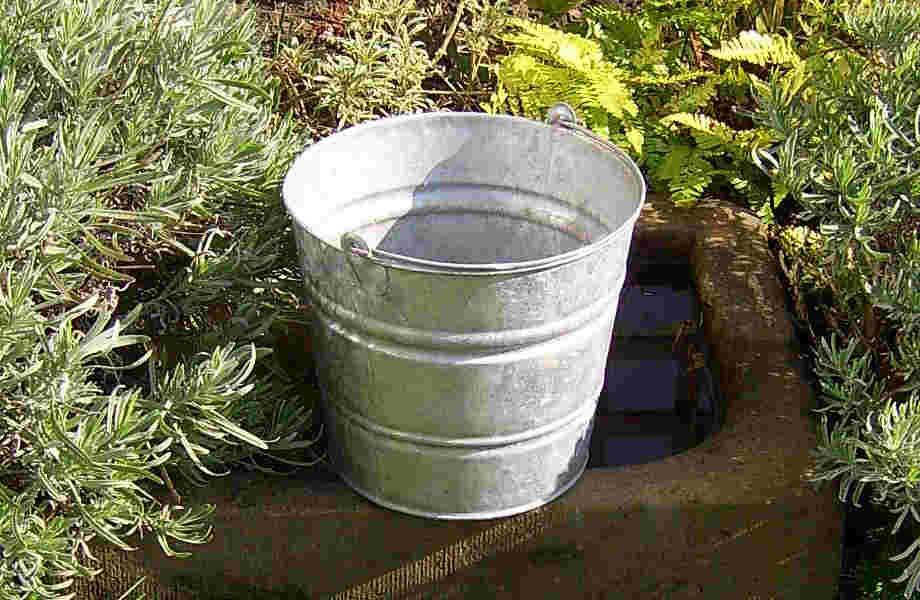
Buckets - metal

Unlike cheaper plastic models, metal, industrial strength, hardworking galvanised products will give you years of service. We work in the building & landscaping trade and use these in preference to anything else ...
Read More

Sweeping Up

When it comes to sweeping you cant beat a nice wooden brush with natural plant fibres. Why? Natural fibres have less flick than synthetic fibres which means less muck spattering. They collect ...
Read More

Antiseptics & Disinfectants

This post talks about Microbes Antiseptics Disinfectants Alcohol Bicarbonate Of Soda Vinegar Hydrogen peroxide Soap Essential oils This is an area where you want to do your own research and decide what level ...
Read More

Bicarbonate Of Soda

This one product can replace hundreds of plastic bottles on your shelves. It does biodegrade. However there are issues about how it is obtained. I say it is a good product but ...
Read More

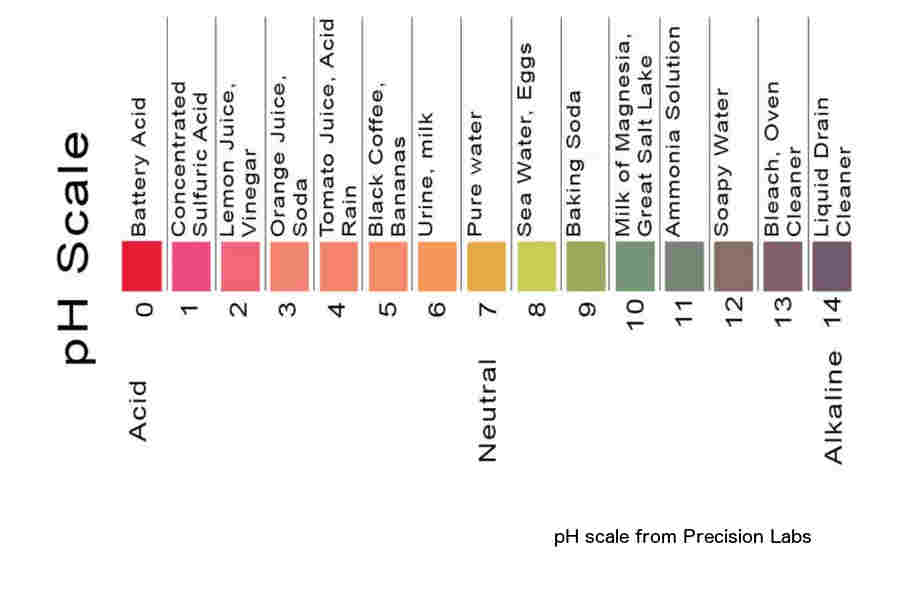
Dirt, pH balance and chemical cleaning

In this post you cad read about Soils (Dirt) Alkaline Acid Cleaning Dirt, stains and even rusts are all known as soils in the cleaning world. That is as in soiled rather than ...
Read More

How to wash the pots plastic free…..

By Hand...Sigh Washing up liquid and I use Ecover in a refillable plastic bottle. I know the bottle is plastic but kitchen? glass? This is a case for reusable plastic if ever there ...
Read More

Washing Soda? Bicarbonate Of Soda? Or Both?

The trinity of green cleaning – washing soda, bicarbonate and borax. Often mentioned rarely explained! Let's take washing soda and bicarbonate of soda first. Why because they are related. Both can be ...
Read More

Washing Soda

Sodium carbonate (also known as washing soda, soda ash and soda crystals) is the water-soluble sodium salt of carbonic acid. It is alkaline. Pure sodium carbonate is a white, doorless powder with a strongly alkaline taste. Washing Soda or Sodium ...
Read More

Soap

I use soap to wash my body I don't like using soap on my face so I cleanse with oil and water. instead of shampoo. washing the bath and other household cleaning chores ...
Read More

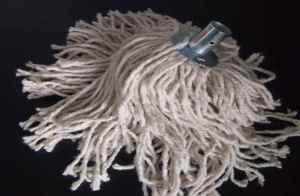
mop and bucket

I am something of an old pro when it comes to scrubbing. In my youth I was the cleaner of casinos. I swabbed down the gaming area, restaurant and croupiers changing rooms ...
Read More

Pot & Bottle Brushes

There I was happily scouring away when I realised it was taking longer than usual to shift the burnt remnants at the bottom of the pan. When I checked out my little ...
Read More

Washing Up Liquid Soap

Soap Flakes I did try to use soap flakes to wash up. I did not find it pleasant. Yes it cleaned the pots but everything was so slippery that it was a ...
Read More

Buy

Being committed to local shopping I prefer to buy that way whenever possible. I would encourage you to do the same. One of the joys of living plastic free is mooching round the local shops seeing what you can source.

If you can’t buy local, please do check the links in the posts. They link direct to the suppliers. Do consider buying from them and support their online businesses.

If you can’t do that then I have put together and Amazon catalogue. Yes I know…

Amazon is a very dirty word at the moment and I thought long and hard before suggesting them. Heres why I went ahead….. No we are not entirely happy with Amazons recent history. However these links are for 3rd party sellers, we have always found the Amazon service to be good and their packaging usually compostable. In the absence of anything else we feel we can recommend them.

Mop & Bucket

8 Litre Galvanized Mop Bucket 3x General Use Mops & Brushes Cotton Mop Heads 15/16" Size 14 Hand & Power Tools Lily and Brown Cotton Mop with Handle
8 Litre Galvanized Mop Bucket
£7.99
3x General Use Mops & Brushes Cotton Mo…
£9.34
Lily and Brown Cotton Mop with Handle
BM02 Pure Yarn Cotton Mop 225g with Handle Sealey BM05 Pure Yarn Cotton Mop 340g with Handle Silverline 509117 Pure Yarn Socket Mop
BM02 Pure Yarn Cotton Mop 225g with Handle
£8.88
Sealey BM05 Pure Yarn Cotton Mop 340g with …
£11.68
Silverline 509117 Pure Yarn Socket Mop
£3.01
13 Litre Galvanised Bucket
£7.06

Dustpan & Brush

Faithfull BRBASS11 Stiff Bassine Hand Brush Silverline 794337 11 Inch Stiff Bassine Hand Brush HARRIS VICTORY COCO HANDBRUSH -94101-
Faithfull BRBASS11 Stiff Bassine Hand Brush
£1.94
Silverline 794337 11 Inch Stiff Bassine Han…
£2.94
HARRIS VICTORY COCO HANDBRUSH -94101-
Harris Victory PA359H 12-inch Coco Broom with Handle HBC Broom Head - Plain Stock, Filled Natural Coco 10" Harris Victory PA357H 10-inch Bassine Broom with Handle
Harris Victory PA359H 12-inch Coco Broom wi…
£3.62
HBC Broom Head - Plain Stock, Filled Natura…
£6.29
Harris Victory PA357H 10-inch Bassine Broom…
£3.48
Groundsman 13-inch Bassine/ Cane Broom with Handle Lily and Brown 12-inch Natural Soft Coco Broom Faithfull Pine Handle 48In X 15/16In
Groundsman 13-inch Bassine/ Cane Broom wit…
£8.39
Lily and Brown 12-inch Natural Soft Coco Br…
£6.98
Faithfull Pine Handle 48In X 15/16In
£1.44
Silverline 993059 Broom Handle Bracket Metal 26 - 29mm (1-1/8-inch) Diameter Town & Country 48-inch x 15/ 16-inch Threaded Wooden Broom Handle Town & Country 9-inch Medium Head Deck Scrub
Silverline 993059 Broom Handle Bracket Meta…
£4.13
Town & Country 48-inch x 15/ 16-inch Th…
£4.99
Town & Country 9-inch Medium Head Deck …
£7.00
10" Heavy duty bassine bristle hard yard broom head Town & Country 12-inch Soft Broom Head Metal Hooded Dustpan
10″ Heavy duty bassine bristle hard yard br…
£7.49
Town & Country 12-inch Soft Broom Head
£6.99
screw head
Metal Hooded Dustpan
£10.95
2x Metal Hand Shovels Large size Hand & Power Tools Harris Victory Metal Dustpan Metal dustpan and handbroom with natural bristles, red
2x Metal Hand Shovels Large size Hand &…
£8.45
Harris Victory Metal Dustpan
£9.00
Metal dustpan and handbroom with natural br…
Metal Long Handled Dustpan and Brush Strong Lobby Large Industrial Metal Dust Pan and Broom Rolson 60690 300mm Metal Dust Pan
Metal Long Handled Dustpan and Brush Strong…
£34.99
Rolson 60690 300mm Metal Dust Pan
£7.50

Essential Oils

Essential oils have gone from being an obscure aspect of botany to an all round marketing ‘good thing’. Almost every product you buy from washing powder to shampoo trumpets that they contain essential oils. So much better, so much greener. As such they have been embraced by the environmental movement as the fragrance for your home made products, a staple in your medicine chest and the relaxant in your bath.

I have been using them for years safe in the knowledge that they are a so eco friendly. But are they really? And are they even oils?

What Are Essential Oils?

  • They are not actually oils because they do not contain fatty acids.
  • They are in fact terpenes - organic compounds produced by plants and occasionally insects.
  • Terpenes are made up of isoprene units, each consisting of five carbon atoms attached to eight hydrogen atoms (C5H8)
  • They are often strong-smelling. Ah ha!

So essential oils are the strong smelling terepenes found in plants and insects.

Terpenes

Terepenes (along with phenolics nitrogen-containing compounds ) are called secondary metabolites.

Secondary metabolites are chemicals produced by plants for which no role has yet been found in growth, photosynthesis, reproduction, or other “primary” functions. These chemicals are extremely diverse; many thousands have been identified in several major classes. Each plant family, genus, and species produces a characteristic mix of these chemicals, and they can sometimes be used as taxonomic characters in classifying plants. Humans use some of these compounds as medicines, flavorings, or recreational drugs.

Just so you know - search for terepenes and you get a lot of information about marijuana

They are often characteristic of particular species, are sometimes only produced under particular environmental conditions and for different reasons. The lemon tree for examples produces a pungent oil to repel insects while the rose creates pungent oil to attract them.

N.B. Fragrance oil and essential oil are NOT the same thing. Fragrance” or “fragrance oil” or “perfume” often refers to synthetic scents.

Medical Qualities

Some essential oils appear to have antibacterial and antifungal properties. Others may help speed up healing. However while many claims are made about the potency of essentail oils there is not enough scientific evidence to back them up. Generally it seems to be accepted that they do some limited good though should not be relied on to cure any serious complaints or used to swab down an operating theatre.

While they might not be hugely effective they dont do much harm either. Secondary metabolites are broken down relatively easily so are unlikely to accumulate in large quantities in the environment.

Growing the Oil

Though figures vary you can safely say it takes a lot of plants to produce a small amount of oil..

For one pound of essential oil you will need

  • 50-60 pounds of eucalyptus
  • 200 -250 lbs of lavender Sources include Bulgaria, England, France, USSR, Yugoslavia, Australia, USA, Canada, South Africa, Tanzania, Italy and Spain2 .
  • 2,000 lbs of cypress
  • 5,000 to 10,000 pounds of rose blossoms to produce one pound of essential oil. Primary cultivation sites for one company include: France, Tasmania, Spain, Italy, England, and China.

Extracting the Oil

Terpenes are usually extracted from plants by steam distillation or chemical extraction.

Environmental Concerns

No matter how they are grown essential oils take up a lot of agricultural land

Growing single species for harvest results in a monoculture style of farming.

Plus all the other demands of farming, - water, fuel, fertilisers organic or not.

It is a lot of input for a very small harvest of what is basically a luxury product.

Add to that the fuel needed to extract the oils “If steam distillation is used temperatures above two hundred degrees applied anywhere from 2-24 hours to extract various oils. ”

If chemical solvents are used which are more effective and so require less plant material, but in turn pose issues of toxicity for people and the environment.

Some oils are harvested from the wild from threatened species.

Cropwatch, a non-profit that keeps tabs on the natural aromatics industry, maintains a list of wild species threatened including rosewood, sandalwood, amyris, thyme, cedarwood, jatamansi, gentian, wormwood and cinnamon,


Should You Use Them…

Personally all of which makes me wary of using essentail oils. I do love the smell but I don’t like the idea that so many resources go into making one tiny bottle of luxury scent.

If you are going to use essentail oils please use them sparingly and buy from a company that is clear about how they grow and harvest their oils.

Take a look at Pravera or Yorkshire Lavender


Cleaning Products - Chemical - Buy or make

For cleaning products I use a combination of bought and what I have in the cupboard in conjunction with a bloody good scrub… i.e. both chemical and manual cleaning.

Chemical Cleaning uses the power of chemicals in a solution to remove soils. Soils in this case refers to stains. If you want to know, you can read how alkaline dissolve fat and why vinegar works here.

If not just be aware that

  • Organic soils are usually best moved using alkaline cleaners.
  • Inorganic soils prefer and acid cleaner.


Buy Or Make Chemical Cleaners

Buy plastic free

The easiest way to get plastic free cleaning product is to buy Ecover refill liquids. Yes the original bottle is plastic but you get to reuse it. Mine are still going strong years into the project.

If you cant get those, this company sells concentrated liquids through the post. You refill your existing bottles and water down yourself. They come in plastic, but it represents a massive reduction.

Make your own

Or you could consider making your own cleaning products. It easy, can save you money and certainly cuts down on the amount of chemicals and colorings that you find in commercial products. With a small palette of ingredients you can clean just about anything.

When I say make I actually mean use neat or add water. It really is that easy. There are loads of complicated recipes on the internet using a mixture of ingredients. I have tried them but could see no discernable difference. Either other people have very dirty houses or I have very low standards.

Are they as good? Well it depends what you are using already. If you use green cleaners then yes they are and half the price. If you are using Cilit Bang all bets are off.

So while they might not work as well as Cilit Bang in extreme grime scenarios, for general cleaning they are fine.

And all of them smell better with none of that weird choking chemical smell or overwhelming perfumes you get with the cheaper commercial products

After a lot of experimentation I find I can mange with

  • Soapused in conjunction with a good scrubber cuts through most dirt. Alkaline
  • Bicarbonate Of Soda for scouring and deoderizing. It can also be used to wash your hair and clean your teeth. Alkaline
  • Vinegar dilute and use as a wipe. Also use as a conditioner for hair. Acid

Other people reccomend Washing Soda and Borax. I have tried both of these but find them to make little or no difference.

Scrub

Honestly I find the best way to clean is to use a mildly abrasive range of cloths and scouring pads

How to clean….

Hard plastic such as baths and toilet seats - Soap and a luffa or rough cloth

Tiles and porcelain - Bicarb on a cloth or luffa

Mildly Abrasive Paste - general cleaning

Add enough liquid soap to bicarbonate of soda make a paste

Wipe for windows and greasy surfaces

1/4-1/2 teaspoon liquid detergent/ soap

3 tablespoons vinegar

2 cups water

Shake & Vac

Bicarb sprinkled on, left for a while then hoovered up.

More

You can find lots more uses, details of where to buy and information about the product listed here.


Sponge Cloth Biodegradable

Oh joy - just sourced some plastic free sponge cloths. I love these things. Sponge cloths are extremely porous and great for wiping up water. Plus they dry really quickly. I love my cotton dish cloth - but it can get a bit whiffy in damp weather. Especially living in the van when it doesn’t ever really dry out.

But up until now sponge cloths have been made from synthetic fibres and packed in plastic.

Not these from If You Care. They are made from 70% Cellulose and 30% unbleached non-GMO cotton. Cellulose and cotton are both biodegradable so when you are done they can go straight on the compost heap.

Better still the packaging is made from 100% compostable PLA-biopolymer derived from corn starch. Tis is fully compostable plastic. On the pack it says that this is certified compostable by the Biodegradable Products Institute (BPI) and compostable in commercial composting facilities. Just to let you know I compost a wide range of PLA products in my own compost bin.

They are machine washable up to 300 times.

You can buy them online from Big Green Smile

If You Care do a lot of great kitchen products packed in cardboard packaging, including natural greaseproof paper.


Wire Wool

Steel wool consists of fine strands of steel which looks a bit like wool.
It can be used for cleaning, scouring and sanding.
I use it manly for cleaning pots. Same principal as a brillo pad but without the plastic packaging.
It can be bought from hardware shops and many of them sell it plastic free in either cardboard or paper packaging. However the trend is for increased plastic packaging so you might have to shop around!
The picture of the cardboard packaged steel wool is from the B&Q website so could look there.

More About Steel Wool

Steel wool comes in different thicknesses (grades).
The thicker the wool the more powerful the scouring / sanding.

I took the following from the Liberon Steel Wool website

Steel Wool is available in 7 grades from Ultra Fine 0000 through a range of Fine to Medium 00, 0, 1 and Medium to Coarse 2, 3 and 4.

Grade 0000 
- use to cut back between coats of French Polishes, varnishes and oil finishes 
- use to clean and polish metals such as bronze, copper, chrome, stainless steel and aluminium 
- use to cut back between coats of varnish or paint 
- use with soapy water to clean and polish porcelain, marble and glass without marking 

Light cleaning and surface preparation

Grade 00, 0, 1 
- use with Liberon Wax and Polish Remover to remove built-up wax polish, smoke and dirt on wood 
- use to clean, smooth and prepare wood or metal surfaces before re-polishing, waxing, varnishing or painting 
- use with a suitable solvent for light to medium cleaning of all metals 

Heavy cleaning and paint and varnish removal

Grade 2, 3, 4 
- Use with Liberon Fine Wood Stripper to remove softened French Polishes, varnishes, lacquers and paints from wood and metal surfaces 
- use to remove rust

Precautions
To avoid cuts never tear steel wool, cut to size with scissors or shears and always protect your hands with gloves when handling.

Important


Always test products on a spare surface or inconspicuous area first.
If in doubt use a finer grade first.

Pot Cleaning

You can find more pot scouring options here

How to Scrub Plastic Free

Although I use natural cleaning products like soap, bicarbonate of soda and occasionally Ecover cleaning products, I prefer not to. Cold water and elbow grease clears most things. I know I sound dreadfully Victorian, and house proud, but really I am not. It’s just that even home-made scouring powders involve some plastic and of course represent some environmental impact. It seems a waste of product when a good scrub does the job just as well.

But you need to have a good range of scrubbers on hand. I use everything from bristle brushes to wire wool to get the job done. In my opinion natural products are good to go most of the time but occasionally synthetics come into their own.

This is my list of scourers in order of toughness

Knitted metal ribbon pad – the big boys of the scouring world will shift almost anything can not be used on plastic, non stick or delicate surfaces.

Wire Wool not as butch but still not good for plastic, non stick or delicate surfaces.

Luffa a natural and renewable plant product rather more abrasive than a cloth but still pretty soft. Good for cleaning plastic baths and washing up (not the same luffa obv.) Get them here


Synthetic scouring pads are good, where metal is too much and might leave black marks - think tiles but luffa too weak. Plastic scourers are ideal for burnt on non stick pans (though after reading this you might want to phase out the non stick and so the need for plastic scourers). However they are plastic and while I do occasionally use them, I am not entirely happy recommending them. When I have to, I use these recycled products that come sustainably packaged.

Coconut Pads - while not quite as powerful as synthetic pads they are a good, non-plastic alternative.

Also Useful Are

Bristle Brushes great for general cleaning, crevices, non stick pans and vegetables


Laundry - baskets

I love my wicker laundry basket. I have had it so long now I cant even remember where I got it from. It has a cotton liner which is usually in place but I took it out so you could see the quality of the weave.

Why? Well not all wicker is created equel. Some is cheap and flimsy and will fall apart. As with anything you pay more for quality but a good basket will last you for ever it seems. Mine has.

I would source some thing local so you can see how sturdy it is. You need to check the quality. If you can’t find a local weaver here’s a company that sell on line. I haven’t used them but they look good. And they have been around for a long time. And they are U.K. based.

“Coates English Willow

: Based in the Somerset Levels, the heart of the willow industry, PH Coate and Son has been growing ‘Withies’ and producing wicker baskets and willow products since 1819.

The Somerset Levels is the most important wetland area in the UK. This unique landscape provides the perfect conditions for willow growing. Basket making willow has been grown here for two centuries, and it is now the only area left where it is still cultivated for the production of baskets, furniture, garden items and high quality artists’ charcoal.”

Here is one of their baskets

£35.30

Cleaning products - refill system

Planet Earth offers a range of household cleaning products with a unique refill and reuse system.

It works and has been scientifically tested to be as good as the leading brand.

It’s an eco winner: To make a bottle of eco2life cleaner, fill a spray bottle about half full of ordinary tap water, simply add one ‘small wonder’ refill to the spray bottle and top up with cold tap water. Replace the trigger, give it a quick shake - you’re all set to go.

There is no lugging of ‘water’ back and forth, requiring less production, less energy, less packaging

Our spray trigger is designed for a long life and our spray bottles are reusable.

Vegetarian Society Approved.

It’s made in the UK and of course it’s made from naturally derived readily biodegradable aquatic safe ingredients with fully recyclable packaging.

Planet Earth eco2life ‘The brilliantly simple refill system’!

Please note

This post was written by the contributor. It is not a Plastic Is Rubbish review, does not represent my personal opinions and I may not have used this product or service. Instead it is a PfU.K. Directory submission.

The Pf U.K. Directory is…?

…a directory of UK-based groups, organisations businesses and individuals who are responding to the problems presented by the misuse of plastic. That does not mean anti-plastic necessarily but certainly plastic-problem aware.

In 2014 I hope to feature 12 UK-based initiatives featuring refuseniks, trash slashers, businesses and the rest.

The DIRECTORY is to promote their work not mine. Read more here…

Got a project?
It is very easy to get a project featured. Each contributor submits a short synopsis of their project, focussing on the plastic aware element and I post it. You can read the submission guidelines here.

Follow us on facebook here

Buckets - metal

Unlike cheaper plastic models, metal, industrial strength, hardworking galvanised products will give you years of service. We work in the building & landscaping trade and use these in preference to anything else. Had them for years and they are still going strong.

Not just hard workers but the rugged materials and genuine old school design make them a thing of beauty. Wether sitting in the corner of the kitchen or out in the garden they look as good as they work.

I have found them in 3 sizes

27cm Galvanised Bucket
29cm Galvanised Bucket
31cm Galvanised Bucket

Buckets in the garden?
Not just for swabbing down the decking but they make attractive planters for herbs. Practical too as they are much lighter then pottery plant pots and,of course, much nicer than plastic.

How to make a bucket planter – drill some holes in the bottom and fill with soil.

Buy

You can find them in hardware stores and online.

Amazon Link - you can read our online policy here

13 Litre Galvanised Bucket
£7.06

Cleaning products Ecover Refill Liquid Cleaners

ECOVER do all of these products and you can get your plastic bottle refilled. To find where Ecover have a refill station check the postcode search on their site

TOILET CLEANER
LAUNDRY LIQUID,
FABRIC SOFTENER,
MULTISURFACE CLEANER,
Washing up liquid (other options here)

You can find more about liquid cleaners here including how to make your own


).

Sweeping Up

When it comes to sweeping you cant beat a nice wooden brush with natural plant fibres.

Why?

  • Natural fibres have less flick than synthetic fibres which means less muck spattering.
  • They collect dirt more efficiently
  • They are heard wearing – we use them in our building work and they last forever.
  • You can replace the heads or handles as needed.
  • You can smarten or personalise them
  • Once done they can be burnt or composted

What Fibre?

But first lets talk fibre

Coco bristles are softer and ideal for collection of small dust and dirt particles. Good for indoors.

Bassine - a stiff fibre ideal for outdoor use.

Bassine and cane – super tough for mud covered pavements and small rubble

What Sweeping Brush

You can buy sweeping brushes separately as head and handle or ready fixed I.e head and handle already joined. You can see some options here

NB check the heads carefully as they sometimes mix natural and plastic fibres.

Ready Made Sweeping Brush

Such as the Charles Bentley & Son 10″ coco broom & handle for indoor sweeping, the bassine broom & handle for out doors or bassine deck scrub. Like a scrubbing brush on a stick. Can be used to sweep up heavier particles like gravel but is also very useful for deep cleaning dirty floors inside the house. Like scrubbing but you dont have to go down on your knees.

Separate’s

You can also get seperate heads that you screw or nail onto a wooden handle.

Screw Top Range

These brush heads come with a screw fitting. Easy peasy off with the old and on with the new. I say that but I have never yet had to change a brush head or handle. These brushes

The screw top heads are great if you have limited space or really dont use a deck brush that often. You can have different heads and only one handle.

Town and Country do a range of screw on brush heads. NB the handle has a plastic cap on the end so it can be hung up. See some options here.

Nailed Heads

The other option is a plain head and handle and you nail the head into place. See options here.

Buy from

You can buy complete brushes from Queensgate Market. Otherwise try your local market or a DIY shop.

Plastic Alert…. check the heads carefully as they sometimes mix natural and plastic fibres.

They can also be bought on line. Check out this selection.

Antiseptics & Disinfectants

This post talks about

This is an area where you want to do your own research and decide what level of protection you need. I do not use antiseptic or disinfectants because I don’t do surgery on my kitchen table or have a low immune system. I keep stuff clean and it seems to work. BUT this is a subject about which I know little. This is my understanding of it. I strongly advise you to do your own research.
Here goes…..

Microbes

The world is full of microbes - micro-organisms - or germs.
“Microbes are single-cell organisms so tiny that millions can fit into the eye of a needle. They are the oldest form of life on earth. Microbe fossils date back more than 3.5 billion years to a time when the Earth was covered with oceans that regularly reached the boiling point, hundreds of millions of years before dinosaurs roamed the earth.
Without microbes, we couldn’t eat or breathe.Without us, they’d probably be just fine.”
Which is maybe why we seem determined to wipe them out. Microbes are everywhere. Inside you outside you swarming all over that keyboard you just touched to type in that fantastically appreciative comment.

They can be divided into four main groups – bacteria, viruses, fungi and parasites.
Some are good such as the composting microbes, some are bad such as the pneumonia germs, some just bumble about doing what ever it is they do in their teeny tiny world.
“By and large, the vast majority of the microbes on this planet are not those that make us sick. We have only scratched the surface to what microbes are out there, and more of them are harmless or even beneficial to us,” Says a scientist.

Kill THEM!!!!!!

But still we want them dead. And here’s how.

Antiseptics & Disinfectants

What are they and now are they different

  • Antiseptics are antimicrobial substances that slow or stop the growth of micro-organisms (germs)
  • They are used on living tissues and cells on external surfaces of the body and help prevent infections. Though they are antiseptics they are often called skin disinfectants,
  • Antibiotics destroy micro-organisms inside the body, NHS website says…Antibiotics are used to treat or prevent some types of bacterial infection. They work by killing bacteria or preventing them from reproducing and spreading. Antibiotics aren’t effective against viral infections, such as the common cold, flu, most coughs and sore throats.
  • Disinfectants destroy microorganisms which infect nonliving objects.

You would use an antiseptic to clean your hands, a disinfectant to clean your breadboard and an antibiotic to kill pneumonia
Wikkipedia tells us that Some antiseptics are true germicides, capable of destroying microbes (bacteriocidal), while others are bacteriostatic and only prevent or inhibit their growth.
Antibacterials are antiseptics that have the proven ability to act against bacteria.
Antiseptics are not antibiotics.

Using Antiseptics and Disinfectants

This is not meant as advice I am just relating my personal choices. I never use disinfectants or antiseptics. I clean with soap and bicarbonate ( which is mildly antiseptic but not as good as vinegar).

Most Common Uses

Disinfecting The Home

Food preparation, kitchens and bathrooms are the obvious places for disinfectants. You don’t want bad germs in your food.
I do the obvious things like wash my hands before eating and after I have touched anything dirty. I keep cooked and uncooked food separate. I don’t eat raw meat. I store food in clean conditions. I wash the chopping board if I have used it for meat before I use it for anything else. I have two boards that I use when preparing food. I clean fruit and veg before eating.
For all of this I use soap and hot water. soap and a good scrub. I don’t think think that anything else is necessary. ,
Also disinfectants kill all microbes, the good the bad the stuff we don’t know what it does yet. Which is unessecary and possibly harmful. There are arguments that living in a sterile atmosphere lowers resistance to infection as the body has not built up any resistance.
Clean not sterile is my mantra.

We need to talk about vinegar…..

Commercial disinfectants are extremely effective. Green alternatives are billed as kinder less harmful. They are certainly less harmful to the microbes because they don’t work as well.

Vinegar & Essentail Oils
Vinegar is the much touted disinfectant of choice for the plastic free.
It is about 5% acetic acid. It’s the acid that kills bacteria and viruses, most probably by denaturing (chemically changing) the proteins and fats that make-up these nasties. It is good but not as effective as common commercial disinfectants.
Vinegar will not kill salmonella, “which can transfer from raw meat to chopping boards and onto other foods to give us food poisoning.”
Ammonia, baking soda, vinegar, Borax, “are not registered with EPA and should not be used for disinfecting because they are ineffective against S. aureus.

Undiluted vinegar and ammonia are effective against S.Typhi and E.coli 53, 332, 333.
Neat vinegar also kills flue virus.

Hydrogen peroxide can also be used
The U.S. Environmental Protection Agency has approved hydrogen peroxide as a sanitizer. It can kill salmonella.
Research published by the Journal of Food and Science in 2003 showed effective results of using hydrogen peroxide to decontaminate apples and melons that were infected with strains of E.coli.
Essentail Oils - there is even less evidence for efface of essential oils and they take a lot of resources to produce.

Cleaning A Wound

For a long time hydrogen peroxide was used as an antiseptic on open wounds and grazes. Now many recommend against it saying it also kills off healthy tissue and beneficial bacteria. In short using any antiseptics on an open wound is an area of medical controversy.

“In clinical practice, antiseptics are broadly used for both intact skin and wounds, although concerns are raised based upon their effect on human cells and wound healing. Opinions are conflicting. Some authors strongly disapprove the use of antiseptics in open wounds.[6-8] On the other hand, others believe antiseptics have a role in wound care, and their use may favor wound healing clinically.[9,10]

Web MD claim that cool running water “is the best treatments for common wounds, and that you should rinse the wound for at least five minutes to remove it of debris, dirt, or anything else that may be in there. The water will clean the wound out well enough for your body to take over without harming the still living tissue around the wound.

I don’t get many wounds and when I do, I don’t use antiseptics. Most cuts and scrapes seems to clear up with out infection - even when travelling in some of the dirtier places. Again, not a recommendation just an observation.

Skin Disinfectants ( Antiseptics)

Removing bacteria from the skin is done to prevent the spread of disease. The area of skin you need to keep cleanest is your hand which carry microbes from place to place by touch.

Soap

The easiest way to disinfect the skin is to wash with soap and water. But don’t bother with anti bacterial soaps. “Washing your hands is extremely important for preventing the spread of infectious illness, especially at critical points like after using the toilet, changing the baby, or handling raw foods. But consumers can’t assume that antibacterial soaps are better for this than other soaps.”

Soap doesn’t kill bacteria but removes it .

“harmless and harmful microbes stick to the oil your hands naturally produce, and, absent removal, willingly hitch a ride until they reach their ultimate destination (inside of you or somebody else) where they can in some cases wreak havoc…. [washing hands]… for at least 20 or more seconds at a time, is a highly effective way of removing bacteria despite the fact that the bacteria doesn’t die, but is simply flushed away when you rinse (or wiped off on a towel).”

Alchohol

If you have no soap and water or that is not appropriate you can try alcohol. Both ethanol or ethyl alcohol and isopropyl alcohol, or isopropanol can be used as antisceptics and have similar effects. However ethanol or ethyl alcohol is the stuff that makes you drunk isopropyl alcohol, or isopropanol (also known as rubbing alchohol or surgical spirit) is made from propene derived from fossil fuels and water. You can read more about it here

If you want a petroleum free product use ethyl alcohol.

ethyl alcohol.

Can be used as a skin disinfectant. It effective against a wide range of bacteria, viruses, protozoa, and fungi, and kills most bacteria, fungi, and many viruses on the hands and skin.

It is commonly used as skin antiseptics, often in the form of wipes Wise geek

It is

  • effective against a wide range of bacteria, viruses, protozoa, and fungi,
  • kills most bacteria, fungi, and many viruses on the hands and skin
  • is commonly used as skin antiseptics, often in the form of wipes or gels, and for disinfecting surfaces
  • Its main main effect on microorganisms seems to be to coagulate essential proteins, rendering them ineffective, and causing cell death or inhibiting reproduction.
  • It may also have a dehydrating effect and may interfere with the functioning of cell membranes. Wise geek

Mouth & Mouthwashes

Now this I do use. I have a troublesome wisdom tooth that occasionally flares up. I can keep it at bay with a rigorous tooth cleaning regime. When it is bad I use a salt mouthwash. And I have used hydrogen peroxide which seems to work.

Sodium chloride (salt) solution can be used as a mildly antiseptic mouthwash.

Hydrogen peroxide can be used as a mouth gargle The Merck Manuals recommended diluting the 3% hydrogen peroxide 50 percent with water, but suggest it as a rinse and part of a treatment for trench mouth, for example. The FDA has approved 3% solutions of hydrogen peroxide for use as a mouthwash. Most sources said to use it only for a short time, however, such as part of a treatment of a mouth infection. A report from Well-Connected (written or edited by physicians at Harvard Medical School and Massachusetts General Hospital) recommended against extended use, saying that overuse may actually damage cells and soften tooth surfaces. We were not able to find any authoritative information about hydrogen peroxide and canker sores.

Hydrogen peroxide may be amongst the better options.

The U.S. Environmental Protection Agency has approved hydrogen peroxide as a sanitizer. It can kill salmonella.

Research published by the Journal of Food and Science in 2003 showed effective results of using hydrogen peroxide to decontaminate apples and melons that were infected with strains of E.coli.

You can use of hydrogen peroxide is to bleach hair. The concentrations are between 3% and 6%.

It can be used to clean blood stains out of clothes and brighten colours but do be careful it doesnt actually leave bleach marks.