post

Commercial Composting

Ever wonder about how much waste we really throw away each year? Well, studies estimate that 30 to 40 percent of the food produced in the United States goes to waste 30 to 40 percent of the food produced in the United States goes to waste, often ending up in landfills. In 2014, an Environmental Protection Agency (EPA) study found that the U.S. tosses over 3.8 million tons of food every single year.

That’s tragic because so many people in the world are going hungry. Food waste also contributes to global warming and disposing of it costs a lot of money. Using our food more efficiently would be a more permanent solution to the problem, but there are some things we can do to improve our disposal process as well. With composting, disposal doesn’t have to mean the end of food’s useful life and may even have some positive environmental attributes.

How Composting Works

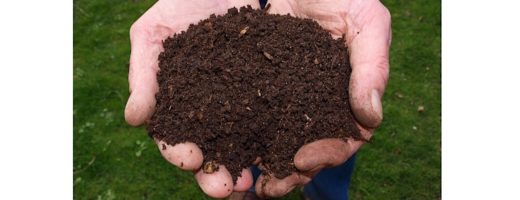
Composting allows us to recycle organic materials, including many food items, yard waste, animal products and paper products. It uses a natural process that’s integral to life here on earth, the decomposition process that breaks down these materials into rich soil from which plants can grow.

Composting takes that natural phenomenon and accelerates it using one of several different methods. Individuals and families can compost their food and yard waste in their own backyards. Large companies sometimes compost their own leftover materials. Some local governments also organize composting operations, and local businesses might offer composting services to nearby residents. These services can be a perfect, easy-to-use solution to our organic waste disposal problem.

Composting Methods

Beyond simple backyard composting, there are a number of methods that large-scale composting operations employ.

  • Aerated Static Pile Composting

One of the simplest methods for composting large amounts of waste is aerated static pile composting. It involves placing well-mixed organic waste into a large pile, along with bulking agents such as woodchips or shredded paper. This method can produce compost within three to six months.

  1. Aerated Windrow Composting

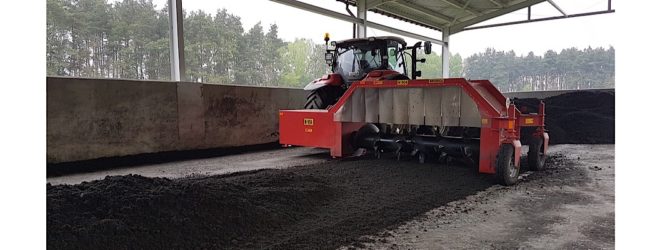
Aerated, or turned, windrow composting involves placing waste in rows that are about four to eight feet tall and 14 to 16 feet wide. These rows, called windrows, must be turned occasionally so that the inner part of the pile ends up in the outside and vice versa. This method is ideal for particularly large amounts of waste.

  1. In-Vessel Composting

In-vessel compost allows for more control of the composting process and produces results quickly. In this method, compost is placed into contained spaces such as large drums, enclosed tunnels or other containers where machinery regularly turns it. This produces usable composts in a few weeks to a few months.

How to Get Involved

Other popular methods of disposing of household organic waste, such as garbage disposals, can be useful but don’t have all the same capabilities as composting. Garbage disposals, for instance, can’t handle solid items like peach pits. Regular trash collection has environmental consequences.

Composting can take care of many different kinds of waste, is environmentally friendly compared to other methods and produces a useful end result – compost that can be used to grow crops and other plants.

Many people don’t have room, time or ability to compost their own waste. For these people, commercial composting methods are the solution. Contact your local government and search for nearby businesses to see if organic waste collection and composting services exist in your area — and whether you can get some freshly made compost for your garden.

Bio:

Emily is a sustainability writer and the editor of Conservation Folks.

Please note…

This post was written by the contributor.

Read more about composting, compost bins and other rotten posts HERE

Guest Post & Plastic Free Promotions

We love to feature guest posts. If you have something to say about #plasticfree living let us know. You can read more about submissions HERE

NB we reserve the right
not to post
to remove guest posts.

Oils Used In Natural Varnish

Drying oil is a vegetable oil that dry to a hard finish at normal room temperature. Such oils are used as the basis of oil paints, and in other paint and wood finishing applications.
they include linseed oil.

Drying oils
See also: Drying oil
Drying oils are vegetable oils that dry to a hard finish at normal room temperature. Such oils are used as the basis of oil paints, and in other paint and wood finishing applications. In addition to the oils listed here, walnut, sunflower and safflower oil are also considered to be drying oils.[175]

Dammar oil, from the Canarium strictum, used in paint as an oil drying agent.[176] Can also be used as a lamp oil.[177]
Linseed oil’s properties as a polymer make it highly suitable for wood finishing, for use in oil paints, as a plasticizer and hardener in putty and in making linoleum.[178] When used in food or medicinally, linseed oil is called flaxseed oil.
Poppyseed oil, similar in usage to linseed oil but with better color stability.[175]
Stillingia oil (also called Chinese vegetable tallow oil), obtained by solvent from the seeds of Sapium sebiferum. Used as a drying agent in paints and varnishes.[179][180]
Tung oil, used as an industrial lubricant and highly effective drying agent. Also used as a substitute for linseed oil.[181]
Vernonia oil is produced from the seeds of the Vernonia galamensis. It is composed of 73–80% vernolic acid, which can be used to make epoxies for manufacturing adhesives, varnishes and paints, and industrial coatings.[182]
Wikkipedia.

Linseed oil, extracted from flax seed, is one of the most useful natural oils. It is used as a preservative for wood, concrete, and an ingredient in paints, varnishes, and stains. As if that wasn’t enough, it is also used in soaps, inks, and in the production of linoleum!

Linseed oil is a slow-drying liquid with good preservative properties and water resistance.
Before the advent of modern preservatives and synthetics, it was commonly used as a stand-alone preservative for wood, natural (hemp) rope, and masonry, as a conditioner for natural boar’s hair paint brushes, and as an additive for oil paints. It was also valuable inside as a furniture finish and for wood floors.

Some of the problems with straight linseed oil, boiled or raw, are:

Sometimes linseed oil can take forever to dry… or stays sticky or doesn’t dry at all!! This is a nightmare situation that happens too often when linseed oil is applied either (1) too thickly, (2) onto damp materials or (3) when the temperature is too cold. Thinning linseed oil with turpentine can help somewhat, but even with thinning it is important to apply thin, multiple coats but allow each coat to dry before applying the next!
No UV (ultraviolet) light resistance… UV causes more damage to exposed wood than any other factor, destroying wood fibers and setting it up for attack by mildew, fungus, and insects.
Linseed oil is mildew food… Many vegetable oils are food products for humans… all vegetable oils are food products for mildew! Linseed oil is not completely denatured, so it can encourage rather than discourage mildew growth.
Linseed oil does not harden sufficiently to offer enough resistance to abrasion to be a suitable deck floor preservative… at least by today’s standards. Linseed oil has been used for interior wood floors, but it must be waxed for durability! Waxing an outside deck would be dangerous, even if you hang a “Slippery When Wet” sign!
Difficult to remove from wood… Multiple coats of linseed oil are gummy and difficult to remove fully for refinishing.

Boiled Linseed oil

“Boiled” linseed oil is not boiled. The actual boiling of some oils changes their drying characteristics, true. With linseed oil, though, it is the addition of certain solvents that causes linseed oil to dry more quickly, acting as if it were boiled.

These highlights were taken from this great article

Raw linseed oil can be used as a wood finish but it can take weeks for it to fully cure. It is for this reason that we use a polymerized linseed oil which is somewhat more viscous than raw linseed oil (making it more difficult to spread and apply) but dries considerably more quickly. The polymerization of the oil is accomplished by applying heat to the oil in the absence of oxygen. Be aware that this process produces a final product that is not the same as the “boiled linseed oil” that you might find on the shelves of home improvement and hardware stores. As counter-intuitive as it seems, boiled linseed oil has not been “boiled” or heated at all but instead has had petroleum-based solvents and metal driers added to it so that it supposedly behaves as if it was “boiled”. The most commonly used heavy metal dryer in “boiled linseed oil” is cobalt that is considered toxic. Additionally, a finish generically referred to as “Danish Oil” is produced by large paint manufacturers and contains some linseed oil but the majority of the components may be carcinogenic, petroleum-based ingredients such as Naptha, Mineral Spirits, and Dipropylene Glycol Monomethyl Ether.

Our linseed oil finish is 100% pure polymerized linseed oil that contains NO petroleum distillates, NO volatile organic compounds (VOCs) and NO heavy metal driers. The heating methods used to polymerize our linseed oil finish have been adapted from 18th to early 20th century varnish-making techniques while also using current technology and quality control measures to ensure a consistent and natural product. We have taken the approach that a simple, natural finish is safer for us to work with, as well as, provide customers with non-toxic furniture.

from Dapwood furniture site
Can you boil your own linseed oil?

interesting thread here.
Tung Oil

from eBay in a metal can with plastic lid.
Liberon Pure Tung Oil 1 L -014617-
Brand new
5.0 out of 5 stars - Liberon Pure Tung Oil 1 L -014617-2 product ratings
£27.00

Camellia Oil ( Tea Seed Oil )

Camellia oil, also known as tea seed oil is the actual green tea oil. It comes from the seeds of Camellia sinensis, the plant from which all the tea is made. Tea seed oil is a wonderfully healthy in more ways than one. It is great for cooking, and from nutritional point of view. Tea seed oil is used in a number of beauty products. This oil has been used as a cooking for centuries in Southern China and they make many more uses with it.

buy from eBay

Japanese Camellia Oil - 240ml
Rutlands Part No. JP2100
Reviews (1)
Key Features
A well kept Japanese secret
Popular with the Samurai for protecting and cleaning their swords
Its very light, low viscous formula that does not dry or become resinous over time
Blended with paraffin oil it canb be used for lubricating, sharpening and rust protection
Simply spray on and wipe over the blade or tool
Ideal for protecting white or blue paper steel kitchen knives when not in use

Turpentine

Turpentine

turpentine
ˈtəːp(ə)ntʌɪn/Submit
noun
1.
a volatile pungent oil distilled from gum turpentine or pine wood, used in mixing paints and varnishes and in liniment.
2.
any of a number of trees which yield turpentine or a similar resin, in particular:

Turpentine (also called spirit of turpentine, oil of turpentine, wood turpentine and colloquially turps[1]) is a fluid obtained by the distillation of resin obtained from live trees, mainly pines. It is mainly used as a solvent and as a source of materials for organic synthesis.

Turpentine is composed of terpenes, mainly the monoterpenes alpha-pinene and beta-pinene with lesser amounts of carene, camphene, dipentene, and terpinolene.[2]

The word turpentine derives (via French and Latin) from the Greek word τερεβινθίνη terebinthine, the name of a species of tree, the terebinth tree.[3] Mineral turpentine or other petroleum distillates are used to replace turpentine, but they are very different chemically.Read more

Product description

Colour Name:500ml

* Size 500ml. * Pure Gum Turpentine. * May be used to dissolve Beeswax to make a wax polish. * Traditional thinner for alkyds, oils, varnishes, enamels and Artists colours. * Pure Gum Turpentine improves brushing qualities and cleans brushes, rollers, and spray equipment. * It may also be used to remove dirt, wax, and grease from surfaces before painting. * Solvent. * Low flash point. * Evaporates quickly. * Compatibility Can be used as a solvent with most oil based products.

ATLANTIS
ATLANTIS PURE GUM TURPENTINE
1 product review
£6.15
PRODUCT DESCRIPTION
We are delighted to have sourced this, the purest from of turpentine. Extracted from Portuguese marine pine trees (Pinus Maritima). Buy here

Driers

A dryer works by catalyzing or accelerating the curing and hardening of oil paint. Often, they are based on metals, and are sometimes called metal soaps or salts. In the process of drying, oil-based paints first absorb oxygen, then they form peroxide which decomposes. Driers accelerate this process

A short summary of drier catalysts:

1) Cobalt – the fastest, most active drier. Can cause wrinkling and color changes in light-colored paints.
2) Manganese – also very fast, but has a dark color which makes it questionable for use.
3) Iron – promotes rapid drying by polymerization. High content of iron in iron oxide colors accounts for their rapid drying time.
4) Rare Earth – useful under conditions of high humidity or low temperatures.
5) Lithium – sometimes added to other driers, most often alkyds.
6) Calcium – Performs well overall, often added during the pigment grinding process as an auxiliary dispersant. Basically marble dust.
7) Zirconium – Used with calcium as a replacement for lead. Has better gloss and color retention than lead, but may not do well under high humidity or low temperature.
8) Aluminum – Great polymerization and yellowing resistance without negatively affecting viscosity. Probably the number one drier in overall usage today in the form of aluminum stearate

read more here.

“Japan drier” is a common term for any oil drying agent that can be mixed with drying oils such as linseed oil and alkyd-oil paints to speed up “drying”. The name refers to “japannning”, a term for the use of drying oils as an imitation or substitution for urushiol-based Japanese lacquer. In the nineteenth century, Japan driers often were made with lead and manganese in a base of linseed oil, turpentine and natural resin. The resins used were copal, dammar, rosin and shellac. Today, most Japan driers consist of manganese in a base of linseed oil and mineral spirits.

Manganese is a primary oxidizing (active) drier. Used alone and in thick applications of paint it has a tendency to cause wrinkling. Manganese is generally used in combination with lead, zirconium, calcium or combination of these metals as a drying initiator.

Lead is an effective auxiliary driers when used in conjunction with active driers, such as manganese. Lead promotes the through drying of paint film. It improves the action of manganese drier and is used in conjunction with it and assists in the “through dry” of oil and alkyd paint.

DIRECTIONS
Add one drop per 5 ml (about 1 teaspoon) of paint. Suggested use levels should be verified with tests.

Physical Properties
Appearance: Dark brown liquid
Color (Gardner): Brown
Lead Content: 10%
Manganese Content: 2%
Non Volatile Content: 47%
Specific Gravity (@25° C., kg/L): 1.02
Viscosity (@25° C., Gardner): A1
HEALTH AND SAFETY
WARNING! CONTAINS: TURPENTINE AND LEAD. Exposure may cause skin and eye irritation. Overexposure will cause dizziness, drowsiness, headache, nausea and cracking or drying of skin. Avoid contact with skin. Avoid breathing mist or vapor. Wear safety glasses, protective clothing and chemical resistant rubber gloves when handling. Wash thoroughly after handling. Avoid swallowing.

Pressed wood products are sheet materials in which wood is largely in the form of strips, veneers, chips, strands or fibres. The wood particles are bound together by glue which is commonly a formaldehyde based resin. Pressed wood products include: plywood used for panelling, furniture and other products.

https://www.nicnas.gov.au/chemical…name/formaldehyde-in-pressed-wood-products

list of solvents - commercial products here. very useful for vanish and paint ingredients.

Worm Bins

Composting is a great way to dispose of kitchen waste and reduce your carbon footprint, but what if you don’t have room for a compost bin? Worm bins are often touted as the answer. This is as it sounds, a bin full of worms - worms that transform food scraps into compost. It can, so the adverts say, be kept in the kitchen. I always wanted to try worm composting so I sent off for a worm bin from the internet. It consisted of four stackable plastic boxes (the type found in stationers), a bag of worms and some food. It looked basic but it was considerably cheaper than the others.

I decided to keep mine in the garage. I stacked the boxes, tipped the worms in and left the lights on all night as per instructions. All went well till the night the lights were turned off. The stackable boxes did not form a sealed unit and there were numerous gaps through which the worms could escape. While it was bright outside the light sensitive worms stayed put, as soon as it got dark they left their bin and went exploring the garage. Next morning saw me picking up worms with the barbeque tongs while VB complained loudly about the desecration of his drill bits. He threatened to sacrifice the worms on the bird table if a solution wasn’t found.

So I fashioned a worm proof bin from the compost caddy. I installed a drainage tap to drain off the worm tea (a juice created as the food in the bin rots down). I covered the base with a layer of gravel so the worms didn’t drown in the tea and the compost didn’t block the tap outlet. It was rather like the one built here, the first bin, Then I carefully decanted the worms and wished them well in their new home.

Mindful of the bird table threats I moved the into the cellar.

I mollycoddled those worms. I cut the food scraps up into worm size pieces and gave them ripped up newspaper and cardboard - apparently they delight in it. Nothing. Instead of piles of compost all I had was a bin full of festering food. The arrival of the fruit flies was the last straw. Fed up with the ungrateful liggers I capped the bin with soil and cut off food supplies.

A couple of weeks later I went down to get a hammer and found the bin standing in a lake of worm tea. Yay!

This fluid (it is claimed on many site), is a superior plant feed and can be used to cure black spot on roses. There it was dribbling from my poorly fitted tap. It is a sign that the worm bin is working as it should. Indeed a quick rummage in the bin revealed healthy looking worms the size of anacondas. Worm tea was another reason I wanted a worm bin. Hundreds of sites on the internet claimed that this could be used as a fantastic liquid plant food. Plastic free plant food I thought. Turns out I was wrong.

So worm feeding resumed. By bin does not work fast enough to make a meaningful impact on our kitchen waste but it’s a start. Apparently it will increase with time. I don’t think I have the patience - but then I have a perfectly good compost bin in the garden.

And no wI find that worm tea might not be that good either.

“The watery drainage that seeps out of the bottom of a bin is not compost tea as many sites assert. Leaching through yet undigested food waste, this leachate (as it is known) could contain toxic anaerobic microbes that would be harmful to plants.

Not only will there be unmineralized organic compounds, but there is the potential for contamination of pathogen organisms and coliform bacteria that can come from some of the raw materials (another reason to always pre-compost fresh manure) put into worm bin systems.

The best place for this leachate to go is back in the bin. That way, it gets exposed to the worm’s gut to be innoculated with good microbes and is excreted fully sanitised.” Thanks Sierra Worm Compost!

Still fancy trying it? If you decide to buy a worm bin my advice is to spend the extra. The more expensive bins boast such conveniences as worm proof lids - a definite bonus. There are hundreds of internet companies selling bins. Here’s one chosen at random.

If you want to make a bin, there are good instructions here. I recommend the first option, the bin with the tap, rather than the second, the stackable boxes.

This is a good article on worm composting and how to get worms for free. N.B. the home made bin looks rather like the one I bought, the leaky one.

More

If you want to keep your bin outside you have to protect it from extreme heat and cold. There may be better outdoor options.

Don’t like worms but fancy composting? Read this intro


Cleaning Products - Chemical - Buy or make

For cleaning products I use a combination of bought and what I have in the cupboard in conjunction with a bloody good scrub… i.e. both chemical and manual cleaning.

Chemical Cleaning uses the power of chemicals in a solution to remove soils. Soils in this case refers to stains. If you want to know, you can read how alkaline dissolve fat and why vinegar works here.
If not just be aware that
Organic soils are usually best moved using alkaline cleaners.
Inorganic soils prefer and acid cleaner.


Buy Or Make Chemical Cleaners

Buy plastic free
The easiest way to get plastic free cleaning product is to buy Ecover refill liquids. Yes the original bottle is plastic but you get to reuse it. Mine are still going strong years into the project.
If you can’t get to a refill station, this company sells concentrated liquids through the post. You refill your existing bottles and water down yourself. They come in plastic, but it represents a massive reduction.

Make your own
Or you could consider making your own cleaning products. It easy, can save you money and certainly cuts down on the amount of chemicals and colorings that you find in commercial products. With a small palette of ingredients you can clean just about anything.

When I say make I actually mean use neat or add water. It really is that easy. There are loads of complicated recipes on the internet using a mixture of ingredients. I have tried them but could see no discernable difference. Either other people have very dirty houses or I have very low standards.

Are they as good? Well it depends what you are using already. If you use green cleaners then yes they are and half the price. If you are using Cilit Bang all bets are off. So while they might not work as well as Cilit Bang in extreme grime scenarios, for general cleaning they are fine.

And all of them smell better with none of that weird choking chemical smell or overwhelming perfumes you get with the cheaper commercial products.

I Use
After a lot of experimentation I find I can mange with
Ecover washing up liquid refill or
Bar Soap
used in conjunction with a good scrubber cuts through most dirt. Alkaline
Bicarbonate Of Soda for scouring and deoderizing. It can also be used to wash your hair and clean your teeth. Alkaline
Vinegar dilute and use as a wipe. Also use as a conditioner for hair and a mild disinfectant. Acid

Other people reccomend Washing Soda and Borax. I have tried both of these but find them to make little or no difference. Read more HERE

Use What On What

For your cleaners to be properly effective you need to use them correctly. Though you might intuitively feel that vinegar should cut through grease it doesn’t.
Soils fall into 2 categories, organic and inorganic
Organic soils such as fat, grease, protein like blood, and carbohydrate. I dont know what carbohydrate soil is - any one else? Mold, yeast and bacteria, motor oil, axle grease, cutting oils and other petroleum soils.
Inorganic soils such rust, scale, hard water deposits and minerals such as sand, silt and clay.

They require different cleaning solution.

  • Organic soils are usually best moved using alkaline cleaners.
  • Inorganic soils prefer an acid cleaner.
  • Minerals are often cleaned with general purpose cleaners.

Read more HERE

Scrub

Honestly I find the best way to clean is to use a mildly abrasive range of cloths and scouring pads. You can find links to all our mechanical cleaning aids HERE

How to clean….

Hard plastic such as baths and toilet seats - Soap and a luffa or rough cloth

Tiles and porcelain - Bicarb on a cloth or luffa

Mildly Abrasive Paste - general cleaning
Add enough liquid soap to bicarbonate of soda make a paste

Wipe for windows and greasy surfaces
1/4-1/2 teaspoon liquid detergent/ soap
3 tablespoons vinegar
2 cups water

Shake & Vac
Bicarb sprinkled on, left for a while then hoovered up.

Buy

Ecover washing up liquid refill
Bar Soap
Bicarbonate Of Soda
Vinegar

More

For more Bicarbonatebased cleaning tips try this Website
See a huge range of plastic free cleaning products HERE

post

Sponge Cloth Biodegradable

Oh joy - just sourced some plastic free sponge cloths. I love these things. Sponge cloths are extremely porous and great for wiping up water. Plus they dry really quickly. I love my cotton dish cloth - but it can get a bit whiffy in damp weather. Especially living in the van when it doesn’t ever really dry out.

But up until now sponge cloths have been made from synthetic fibres and packed in plastic. Which we won’t use.

Not these from If You Care. They are made from 70% Cellulose and 30% unbleached non-GMO cotton. Cellulose and cotton are both biodegradable so when you are done they can go straight on the compost heap.

Better still the packaging is made from 100% compostable PLA-biopolymer derived from corn starch. Tis is fully compostable plastic. On the pack it says that this is certified compostable by the Biodegradable Products Institute (BPI) and compostable in commercial composting facilities. Just to let you know I compost a wide range of PLA products in my own compost bin.

They are machine washable up to 300 times. And of course being biodegradable, they don’t shed nasty plastic microfibres like synthetic cloths do. (Washing synthetic fabrics and clothing releases millions of microscopic plastic fibers. These are then discharged into sewage system and ultimately out to sea. Some are ingested by sea creatures).

Washing synthetic fabrics and clothing also releases millions of microscopic plastic fibers. These are then discharge into sewage system and ultimately out to sea.

Buy Online

You can buy them online from Big Green Smile

If You Care do a lot of great kitchen products packed in cardboard packaging, including natural greaseproof paper.

In a shop

Unicorn in Chorlton, Manchester, sell something similar but in cardboard packaging.

More

See all the plasticfree cleaning products we have sourced, right here

Kettle

People are always asking about plastic free kettles. There is one very easy answer - get a stove top kettle. That’s it. Spend a bit more and you can get one that doesn’t have a plastic handle. Spend a lot more and you get a kettle you will be handing on to your kids. I am saving up for this one.

Shropshire Made Traditional Kettle

  • Hand spun body and lid with durable hard anodised finish.
    Precision cast spout for perfect pouring.
    The base of kettle is very thick 1/4 inch (6mm) aluminium, we machine grind this flat to ensure rapid boiling on range hobs.
    Hand turned British oak handle & knob.
    Lovingly hand made in Britain.

A stove top kettle for use on range stoves, electric, gas, ceramic and halogen hobs. The perfect companion for country cottages, retro conversions, Victorian kitchens, Edwardian homes, glamping and garden cooking (it complements Netherton Foundry garden hob).

Comes in two sizes and the packaging is cardboard.

Cheaper Kettles

The downside is they are over a hundred quid. You might want to look at some of the cheaper options below. The cheaper kettles often have plastic handles. Very cheap kettles often warp with time. You need a good heavy bottom!

Amazon Catalogue

Here are some links to products sold on Amazon. Amazon is a very dirty word at the moment and I thought long and hard before I did it. Heres why I went ahead…..

.

Grunwerg Cafe Ole Stainless Steel Stove Top Whistling Kettle 3L HTK-3
Grunwerg Cafe Ole Stainless Steel Stove Top…
£11.82
Wesco Classic Line Stainless Steel 2 Litre Stove Top Kettle, Black Garden Trading Enamel Stove Kettle - Flint Yoshikawa 1 Litre Stainless Steel Fons Drip Stove Kettle
Wesco Classic Line Stainless Steel 2 Litre …
£49.99
Garden Trading Enamel Stove Kettle - Flint
£31.50
Yoshikawa 1 Litre Stainless Steel Fons Drip…
£74.99

Wire Wool

Steel wool consists of fine strands of steel which looks a bit like wool.
It can be used for cleaning, scouring and sanding.
I use it manly for cleaning pots. Same principal as a brillo pad but without the plastic packaging.
It can be bought from hardware shops and many of them sell it plastic free in either cardboard or paper packaging. However the trend is for increased plastic packaging so you might have to shop around!
The picture of the cardboard packaged steel wool is from the B&Q website so could look there.

More About Steel Wool

Steel wool comes in different thicknesses (grades).
The thicker the wool the more powerful the scouring / sanding.

I took the following from the Liberon Steel Wool website

Steel Wool is available in 7 grades from Ultra Fine 0000 through a range of Fine to Medium 00, 0, 1 and Medium to Coarse 2, 3 and 4.

Grade 0000 
- use to cut back between coats of French Polishes, varnishes and oil finishes 
- use to clean and polish metals such as bronze, copper, chrome, stainless steel and aluminium 
- use to cut back between coats of varnish or paint 
- use with soapy water to clean and polish porcelain, marble and glass without marking 

Light cleaning and surface preparation

Grade 00, 0, 1 
- use with Liberon Wax and Polish Remover to remove built-up wax polish, smoke and dirt on wood 
- use to clean, smooth and prepare wood or metal surfaces before re-polishing, waxing, varnishing or painting 
- use with a suitable solvent for light to medium cleaning of all metals 

Heavy cleaning and paint and varnish removal

Grade 2, 3, 4 
- Use with Liberon Fine Wood Stripper to remove softened French Polishes, varnishes, lacquers and paints from wood and metal surfaces 
- use to remove rust

Precautions
To avoid cuts never tear steel wool, cut to size with scissors or shears and always protect your hands with gloves when handling.

Important


Always test products on a spare surface or inconspicuous area first.
If in doubt use a finer grade first.

Pot Cleaning

You can find more pot scouring options here

Frying Pans

I have been wanting to get rid of my non stick frying pan for ages. I bought it before I knew about polytetrafluoroethylene (PTFE), the plastic non- stick coating. Nor did I know that polytetrafluoroethylene (PTFE) can give off toxic fumes that can kill budgies. I don’t have a budgie but even so! That doesn’t sound good.

Non Stick

I wanted a light weight pan with a ceramic non stick coating (promised to be toxin free), BUT it had to have a metal handle. Finally found this one from BergHOFF. The earth chef Montana range which goes under the following specification….

  • Ceramic nonstick coating:
    • Naturally 6x stronger than traditional nonstick coatings
    • Non-toxic: no PTFE fumes
    • No PFOA used and energy-saving manufacturing
  • Hollow cast stainless-steel and riveted handles
  • Polished stainless-steel lids
  • Fast and even heat transfer
  • For all types of cooktops, including induction
  • Durable construction
  • Oven-safe to 540 degrees C / 1000 degrees F
  • Metal-utensil safe and dishwasher-safe

Delighted to see it came in cardboard packaging, disappointed to find it was also wrapped in a plastic bag. So far it is doing well….

If you can’t find one locally you can of course get them from Amazon – read more about our relationship here

BergHOFF 26 cm Earthchef Frying Pan
£39.99

Cast Iron Pans

I chose this pan for the van. I really wanted a cast iron frying pan but our light weight flimsy camping stove would almost certainly crumple under the weight. Those of you with sturdier stoves could consider a U.K. made, cast iron pan from Netherton Foundry. It will last a life time . Pricey but nicey.

They alo do reather nice looking plastic free kettles.

If you cant afford to buy new you could try Ebay. They have a whole load of second hand iron pans for sale.


Greaseproof paper/ waxed paper

There are two types of paper used for cooking and food preparations
greaseproof bakery paper;
waxed paper.

The terms are used interchangably but they are actually different products.

Greaseproof Paper also known as parchment paper is used in baking and cooking. It provides a heat-resistant, non-stick surface to bake on.
It is also used to pack greasy foods like butter.
It used to be made by beating the paper fibres. Now it may have a plastic or chemical coating.

Waxed Paper
Not to be confused with waxed paper. They may look the same but are different products. Waxed paper actually has wax on it. This too creates a non stick surface but for obvious reasons cannot be used at high temperatures so cannot be used for baking.
Waxed paper was often used for wrapping food.
In many cases it has now been replaced with plastic laminated paper. It looks like waxed paper but isn’t.

History
Greaseproof paper was first developed as a replacement for parchment by the engineer Otto Munthe Tobiesen in 1894
During the paper making process, the paper pulp is beaten hard so the fibres bond more firmly. This results in a paper of high density with a small number of pores. It is now less absorbant making it reisistant to grease, fat and oil.
Natural greaseproof paper does not have any chemical treatments or coatings. It can be recycled, composted or burnt.

Waxed Paper was made by coating paper with wax.

The New Papers
Since those innocent days various different types of greaseproof/waxed paper have emerged. These no longer rely on the way the paper has been made but rather are treated, coated or laminated papers. They do not get their grease resistance from denser fibers but from various additives. However they look just like the originals.
They fall into into two types; paper for packaging and paper for cooking.

The treatments for “greaseproof” paper include
Plastic lamination
Chemical
Silicone coating

Packaging

Greaseproof paper and waxed paper were often used for packaging and the names used interchangeably.

They were used in the food industry for many things including wrapping food such as butter and making nonstick containers for microwave food.

However the original papers and cards have been replaced with plastic coated alternatives.

Two common forms of treatment are
Lamination
Chemically treated

laminated
Where the function of the product is merely to stop grease leaking through the product like for instance a butter wrap the paper may be coated with a thin layer of plastic. This is often the case with food packaging where a product wants to maintain an old time look. Don’t be fooled by those charming greaseproof paper bags and butchers wraps on the deli counter. Check them very carefully.
Obviously this kind of greaseproof paper cannot be used for cooking as the plastic will melt and burn.
Read more about laminated paper here

Chemically Treated
Perfluorochemicals (PFCs) are a family of man-made chemicals? They are used
as a surface coating for paper and cardboard they make them water and grease resistant and so suitable for packaging processed foods.
They do not break down easily and can last in the enironment for years.
They have been found in both soil and water.
When they enter the food chain they are retained in animal tissue leading to a process called biomagnification, meaning that they are passed on up the foodchain from animal to animal and because they are stored in the body for years the amount increases exponentially as they travel up the food chain.

You can read more about them here

Greaseproof Paper For Cooking

This type can be used for both cooking and packaging. But is usually used for cooking. It is also called parchment paper.

Silicone Coated
To give parchment paper a really non stick quality some companies are coating it with silicone. Silicone is a kind of synthetic rubber. You can read more about that here .
Sierra say of its silicone coated paper “The baking paper’s silicone coating prevents food products from sticking to the paper or cooking pan. Silicone is an ideal release agent due to its pliability, natural lack of toxins, high insulationability, and heat resistant capability.”

Quilon Coating
This is (I think) a Teflon product also used to give parchment papers a non stick quality. I know very little about it other than that some are claiming it is toxic. I am currently researching it. All input welcomed.

Uncoated Papers

Are they even available? If You Care claimed to provide genuine greaseproof paper products. But while the paper may be green and unbleached, the non stick quality comes from a coating of silicone. They claim their paper is compostable but silicone certainly isn’t biodegradable.
“Experts from the University of Maryland Extension Home and Garden Information Center said, “We would not recommend composting the parchment paper,” but acknowledged that they could not cite specific studies on the topic”

https://livegreen.recyclebank.com/because-you-asked-can-i-recycle-parchment-paper

never used to talk about the silicone coating on their greaseproof paper which makes me wonder was it always there or is it new? And if it is new, is it to replace the toxic Quilon coating (that I never knew about either). If the former, are all parchment papers coated with something and we just never realised?

Buy….More to think about

Reasearch is ongoing and any input is greatly welcomed.
Beyond Gourmet and Regency wraps have been mentioned as being only parchment paper but have not as yet answered my emails. Neither have If You Care.

So far I have been unable to find a verified, uncoated paper for cooking so I won’t use any.

I buy butter that comes wrapped in paper which I just have to hope is genuine parchment paper. I have my doubts but it is the best I can do.

N.B.

Lines changes, products get removed. For more information why not ask the Plastic Is Rubbish FB group for updates. They are a great source of tidbits, personal experience and the latest news. Why not join them and share the plastic free love x

And before you go…

If you have found the #plasticfree information useful, please consider supporting us. It all goes to financing the project (read more here) or

Buy Me a Coffee at ko-fi.com

Seed - harvested

This one means planning ahead and the packaging may not be plastic free - you will have to check with the company BUT it means years and years of plastic free seed ahead of you. Basically you grow the plant, harvest some but let others go to seed. You then collect the seeds, store them then use them again next year to grow more food, more seed! How good is that?

You can buy real seeds from this company. They have a great selection including veges, herbs and flowers.

The following bits of info were copied directly from their website real seeds

Seed You Can Save Yourself

One of the main aims of the company - written into its deeds - is to educate and encourage home seed saving. All our varieties are real, open-pollinated seed (non-hybrid), so you can save your own seed for the future, using instructions we supply. We have written freely-copyable seed-saving guides, and we sell a more detailed seed-saving book at a subsidised price. There’s really no need to buy new seed every year - you can just save your own.

Hybrid (“F1”) seed is the result of a cross between two different , but heavily inbred parents. Seed you save from these plants will either be sterile or a give a whole mix of shapes and types, usually producing a poor crop.

Only the seed company knows what the parents are, thus only they can produce that particular variety. If you want to grow it, you have no other source - good for the seed companies but not for you! Small growers should be able to keep their own seeds, selecting each year the best plants most suitable for their own land and conditions.

Yes, there are a few exceptions, but in general, the hybrid seed business has been a public relations victory over the small grower. For example, you will soon see more and more hybrid leek seed offered to you. This is because the supermarkets have set incredibly rigid limits on leek size, and the only way to achieve this is through hybridising two inbred varieties, so all leek seed production is switching to hybrids.

You will be told that these new leeks are ‘more uniform’, ‘straighter’ and so on. But what about flavour and adaptability? People seem to forget that we want to eat & enjoy these things - food is not just a commodity!

Despite common urban myths, there is no magic about hybrids. So-called “hybrid vigour” is the simple fact that good hybrid seed is better than bad real seed, and that sadly much of the real seed you get now has been badly maintained. But good real seed - which admittedly requires time, care and patience to produce and maintain - must, by virtue of the genetics of these things, be just as good, and in fact much more adaptable to different soils.

The key here is that it takes less manpower to make the hybrid seed, so the wholesale seed growers are much happier to let the old varieties fade away.

post

Friends who compost…

Don’t fancy composting yourself? Neither did Jen! So she found a super green option! Heres an extract from her post

I have to be honest – I put off composting for a long time. We have a small garden and I didn’t want to pong it out with a large
bin of old rotting food. Plus I’m not paricularly green fingered. At most, I’ll have a pot of herbs in the kitchen, which sometimes I accidentally kill. I’m not sure I would use the resulting soil.

So I found a person locally who was willing to pick up my compost.

There’s a website called Streetlife “the local social network” where you can communicate with your community.

Read more here

More

This would be a good use for Bokashi Bins. These bins let you store masses of kitchen waste before it needs collecting and composting elsewhere. More on Bokashi Bins here

Do fancy composting? Read this intro